The history of Chinese cinema is filled with many exceptional films made by talented directors. Over the years, new developments have been incorporated into Chinese films, thus making the industry more up-to-date and the films more interesting to the viewing audience.
Before 1921, only short films were made; in 1921, however, full length feature films started to be produced. By 1930, the industry had progressed to the point that movies with rich contents, and of high quality which earned the praises of intellectuals and youths, were made.
In 1931, the industry entered the talkie stage. At this time, the Japanese invaded China and the whole country fought against a common enemy. Thus anti-Japanese themes were the order of the day. So anti Japanese adventure dramas, musicals, and documentaries were made.
In 1956, Hong Kong and Taiwan based filmmakers started cooperating in the making of films, especially in the area of joint investment. This cooperation led to an exchange of ideas and actors, thus increasing the quality of films.
After 1961, fewer films in Taiwanese dialect could be seen. Also, at this time, Mandarin language films started to take off and entered their high flying stage. Therefore, during the sixties many outstanding films were made.
Towards the end of the seventies, however, due to old equipment and generally poor plots, the Chinese film industry began to decline. The reasons for this decline were the world-wide economic recession and the low quality of Chinese films. The run-down theaters around the country as well as easily available illegal video tapes entering the country also discouraged the movie viewing audience.
It is hoped that recent changes will help to reverse this trend. In order to aid the movie industry, the Executive Yuan has decided to decrease the tax rate on moviegoers.
The Government Information Office will allow a film enterprise that has produced a 35mm Mandarin feature film, and gotten a license for commercial exhibition of its first print, to apply for the acquirement of import quotas. This offer of import quotas is to encourage domestic production of Mandarin films.
There is also an effort underway to bring films into the sphere of cultural mediums. Unless a film's producer, director and players are registered with the Government Information Office, the film will not be allowed to be produced.
There is greater control of illegal videotapes that have been flooding the market recently. Also new censorship standards have been suggested by industry members.
The Government Information Office has instituted a program of college movie showings. This is to encourage college students to see Mandarin movies, and arouse the interest of the man on the street towards Mandarin films.
In order to improve the management of Mandarin films, certain suggestions have been offered. Among these are market analysis before filming begins, making sure that all equipment is in tip-top shape, that the script is well written and that the actors have time for rehearsals and on-the-stage training. In terms of release and advertising, that planned market cultivation take place through utilization of the mass media.
Recently, changes have been made in the scripts and thus the plots of the movies which are being produced in Taiwan. The stories are more realistic and taken from modern novels about everyday people.
The first of such movies to appear was In our time, made by four young directors. It consisted of four separate stories about modern life. This is also one of the most innovative changes to hit the Chinese movie industry in quite a while, the use of short films in segments put together to form one larger film. This innovation also gives a number of directors a chance to cooperate and bring in new actors and actresses. Thus in the making of In our time four directors cooperated: T'ao Te-ch'ang, Yang Te-Ch'ang, K'o Yi-cheng, and Chang Yi.
After In our time changed the style of Chinese cinema, directors Chen K'un-ho and Ho Hsiao-hsien cooperated to make "Growing up," the story of an unmarried mother and her son, and what happens after the mother marries a man willing to care for and send her son to school.
The script for this movie was adapted from Chu Tien-wen's short story. There has been an increasing trend towards adapting short stories and novels for movie scripts. The main ingredient of the script must be realistic characters, situations, and attitudes. Ho Shiao-hsien says, "If I don't feel touched or moved by the films I make, then how can the audience?"
The manager of the China Film Company, Ming Chi, says, "In order to make films with contents that are interesting, and to raise the standard of films, we strive to get needed investment, time, and personnel. Only in this way can we forge a new road for the Chinese film. A new road filled with films with a literary flavor thus increasing the quality of Chinese films."
Thus, the China Film Company has produced Huang Ch'un-ming's novel The Sandwichman into a movie, with Ho Hsiao-hsien, Tseng Chuang-hsiang, and Wan Jen directing. Ho Hsiao-hsien thinks that "Literary works in themselves have much feeling and subtlety, but when making them into films, we must change that subtlety into concrete dialogues, etc.; so unfortunately, much of it is lost."
Tseng Chuang-hsiang says, "Though it is true that I am lacking in experience, I make up for it with enthusiasm, time, and a will to learn. I believe that continuous practice, debate, and critical examination of previous work, will help me to later make movies of this new type."
Wan Jen says, "I think that the completeness of literary works and the high level of ideology and thinking portrayed in them, can't but help raise the standard of films. But for myself, I hope that my own works can be more artistic." The candid nature of these three talented young men helps them stimulate each other and thus make cooperation not only possible but also fun.
Besides The Sandwichman, another of Huang Ch'un-ming's novels has been adapted by the Montage Film Company. This is A Flower in the Rainy Night, a story about a prostitute who wants to have a child--something she can call her own. Mr. Huang adapted the screenplay for this particular movie himself.
Presently, Chang Yi is directing Kendo, the kid, a story about a teenager in modern society. Chang Yi says "I prefer simplicity in my films, its true that Kendo isn't mature, but he is happy and brave."
Yang Te-chang has also directed That Day on the Beach, the story of a young newlywed couple. He says, "The people today are more educated but do not necessarily know more about love, feelings, and emotions."
He goes on to say that his roots are in science and he has studied computers, etc. But the more he finds out about literature through his films the more he grows to love it.
The Wheel of Life, the story of lovers, who live through three reincarnations before finally getting together, is directed by King Hu, Li Hsing and Pai Ching-jui. Their attitude is one of seriousness, and cooperation to make the best, warmest movie possible.
This general trend towards more realistic themes and more cooperation between directors should set Chinese cinema on a new road.
[Picture Caption]
1. A scene from The Sandwichman, which was adapted from Huang Ch'un-ming's novel. 2. This scene from Little Chi's Hat shows the subtle feelings between a young man and a schoolgirl. 3. Another scene from Little Chi's Hat. 4. One of child actor, Yen Cheng-kuo's, many facial expressions in The Taste of Apples. 5. The Taste of Apples provides a humorous look at reality and human nature.
1. Movie star Lu Hsiao-fen portrays a prostitute named Pai Mei in A Flower in the Rainy Night. 2. Pai Mei meets an old friend who is very happy and wants to be like her. 3. From this scene, one can see Pai Mei's love for children. 4. "If only I had my own child then I could put all my hopes in it." Pai Mei at long last gets her wish. 5. Director of A Flower in the Rainy Night, Wang Tong (left) and screen writer Huang Ch'un-ming having a short discussion during filming.
1. That Day on the Beach, a movie about a newlywed couple, directed by Yang Te-chang; the actress is Chang Ai-chia. 2. Chang Ai-chia doesn't understand where the love her husband and she shared before marriage has gone. 3. Theresa Hu (right) and Tso Wu-hsiang made special guest appearances in That Day on the Beach. 4. Chang Ai-chia, despite her high education, still doesn't understand how to solve her marital problems. 5. Chang Yi directing Kendo, the Kid. 6.7. Kendo, the Kid is the story of a group of teenagers growing up.
The Wheel of Life is the story of a couple who remain lovers through three re-incarnations. 1-4. Scenes from the first re-incarnation, which takes place during the Ming Dynasty; artistic, joy inspiring scenes are director King Hu's specialties. 5.6.7. The second life for the two lovers takes place during the beginning of the Chinese Re public. This section is directed by Li Hsing, Peng Hsueh-fen portrays a Peking Opera troupe performer. 8.9. Pai Ching-jui directs this couple's final meeting which takes place in today's world. Shih Chun and Chiang Ho-jen portray brothers who must rely on each other for life. Elder brother Shih Chun is afraid that Peng Hsueh-fen will take his younger brother Chiang Ho-jen away from him.
1. Government Information Office Director General Dr. James Soong congratulates members of the movie industry on their hard work which has given us many exceptional movies, at a recent movie showing. Ho Hsiao-hsien has made quite a few good movies in recent years. 3.4. Wan Jen and Tseng Chuang-hsiang, who both have Master's degrees in Cinematography from the U.S., and who have won awards for their experimental films. Thus they were chosen to carry the banner of the China Film Company.
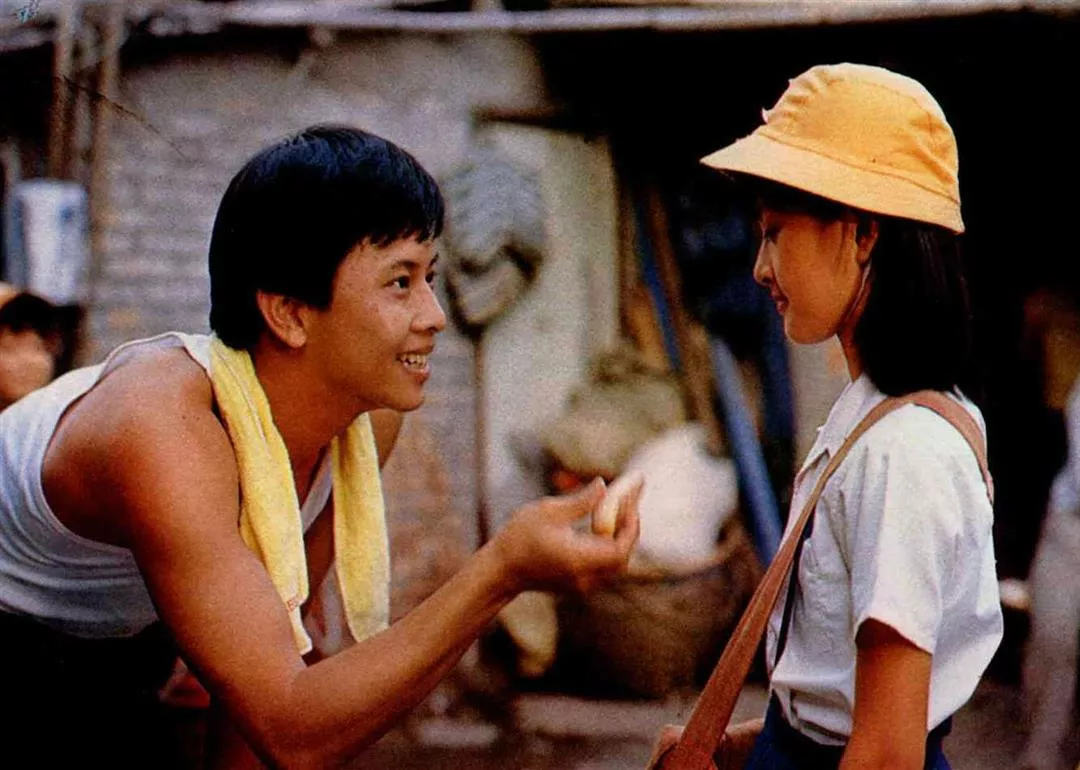
2. This scene from Little Chi's Hat shows the subtle feelings between a young man and a schoolgirl.
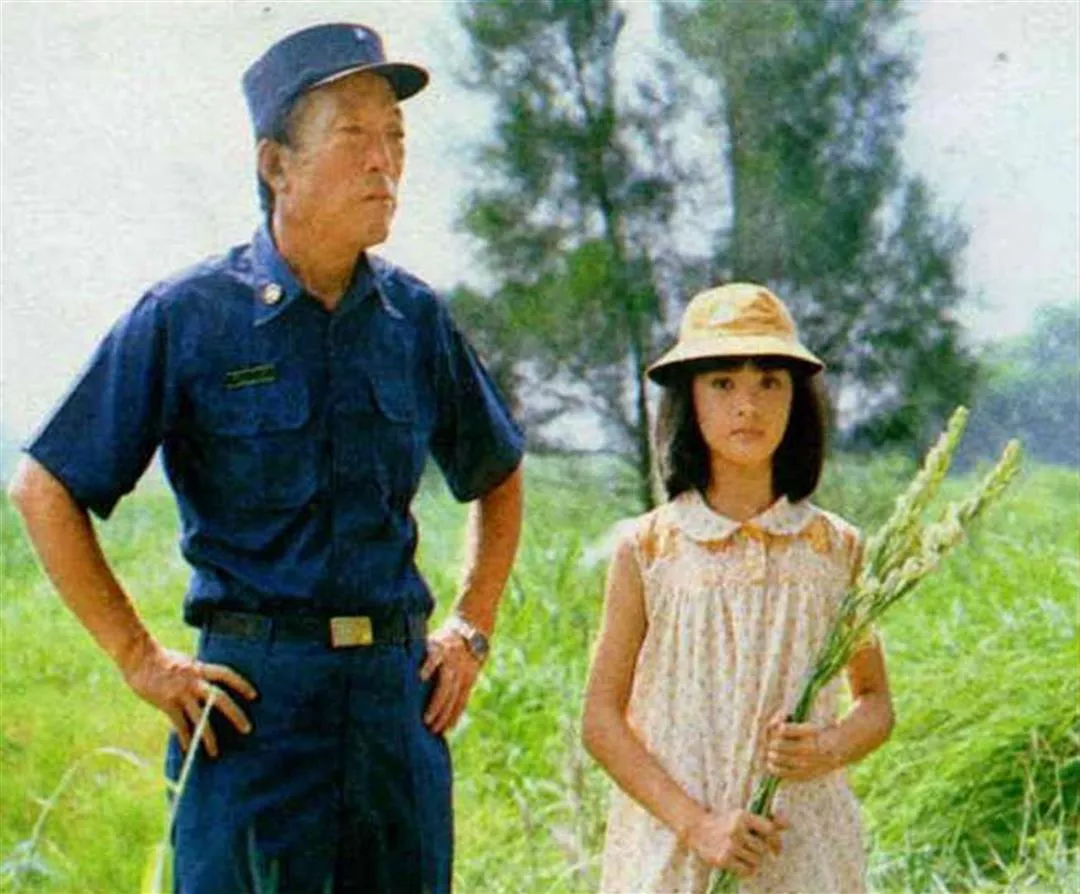
3. Another scene from Little Chi's Hat.
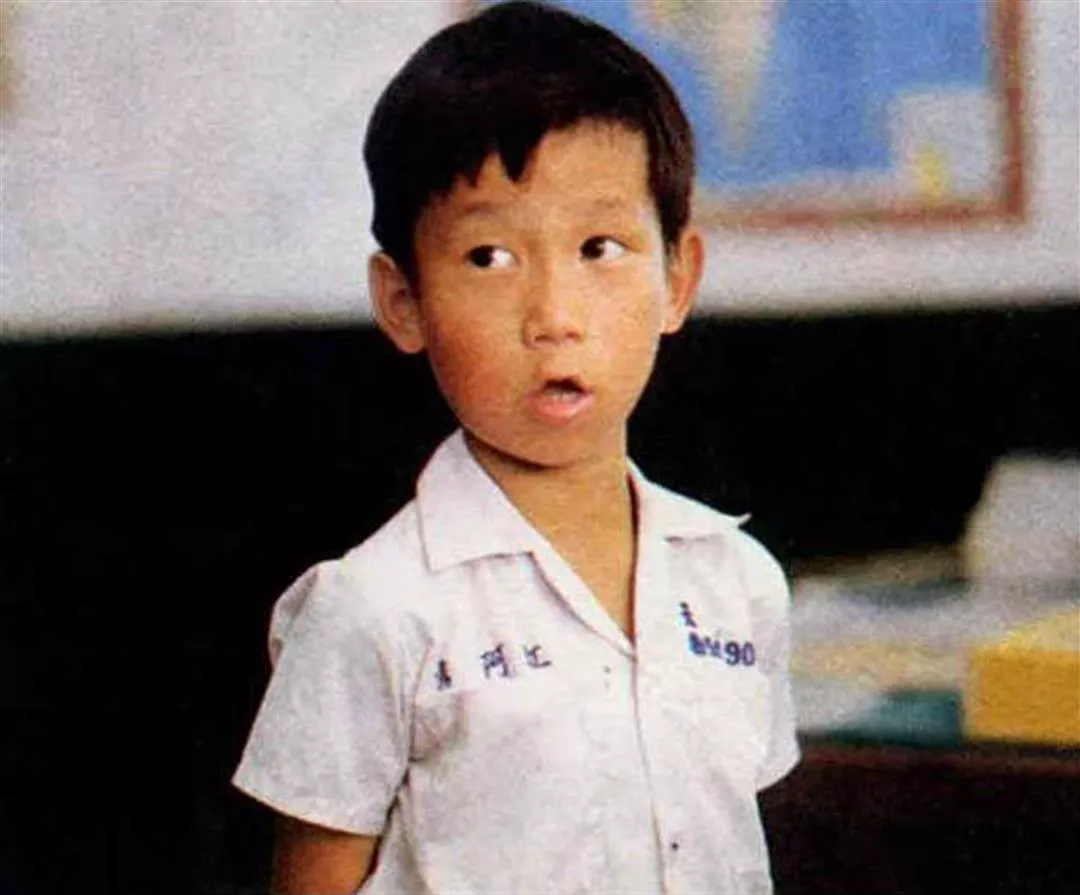
4. One of child actor, Yen Cheng-kuo's, many facial expressions in The Taste of Apples.
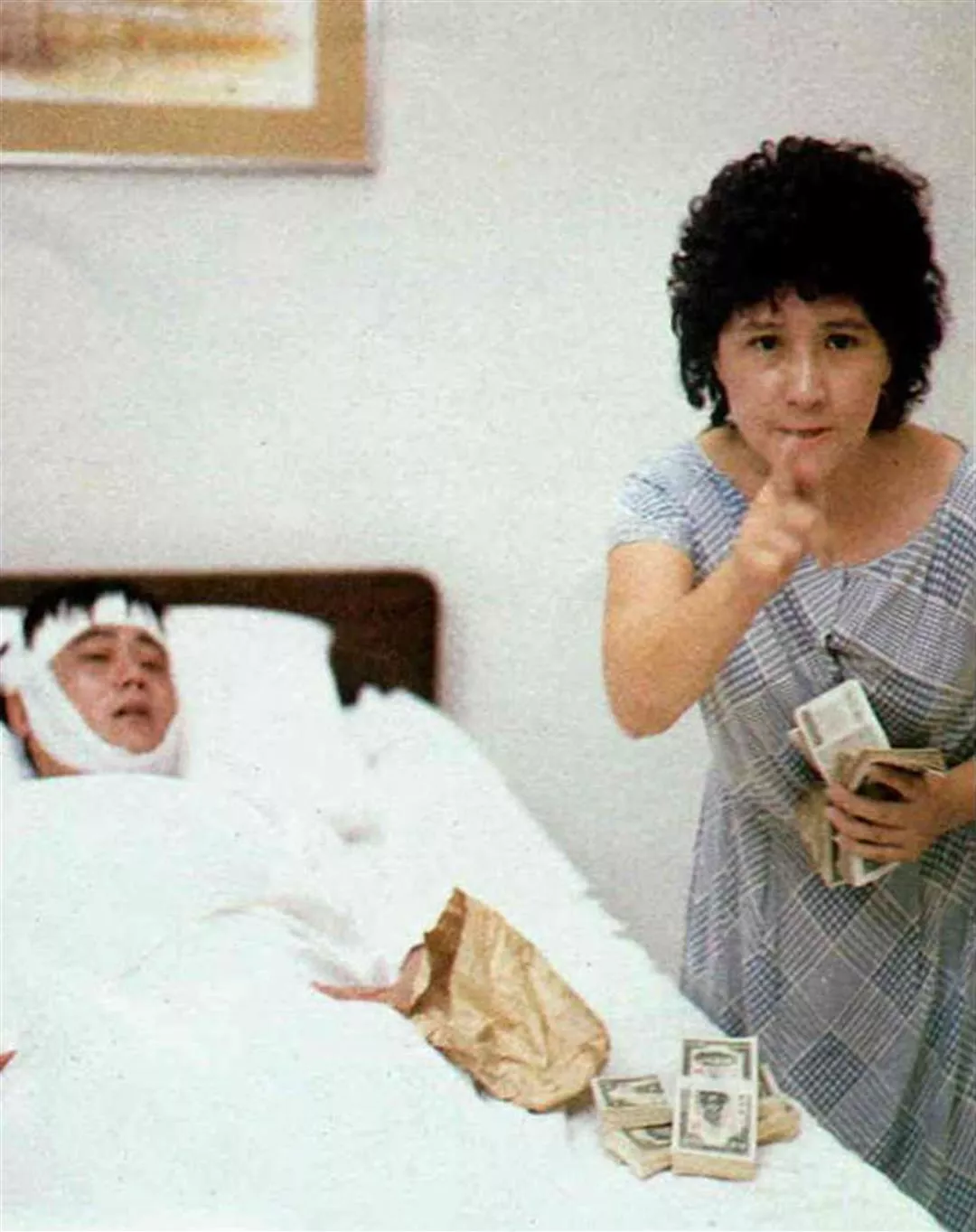
5. The Taste of Apples provides a humorous look at reality and human nature.
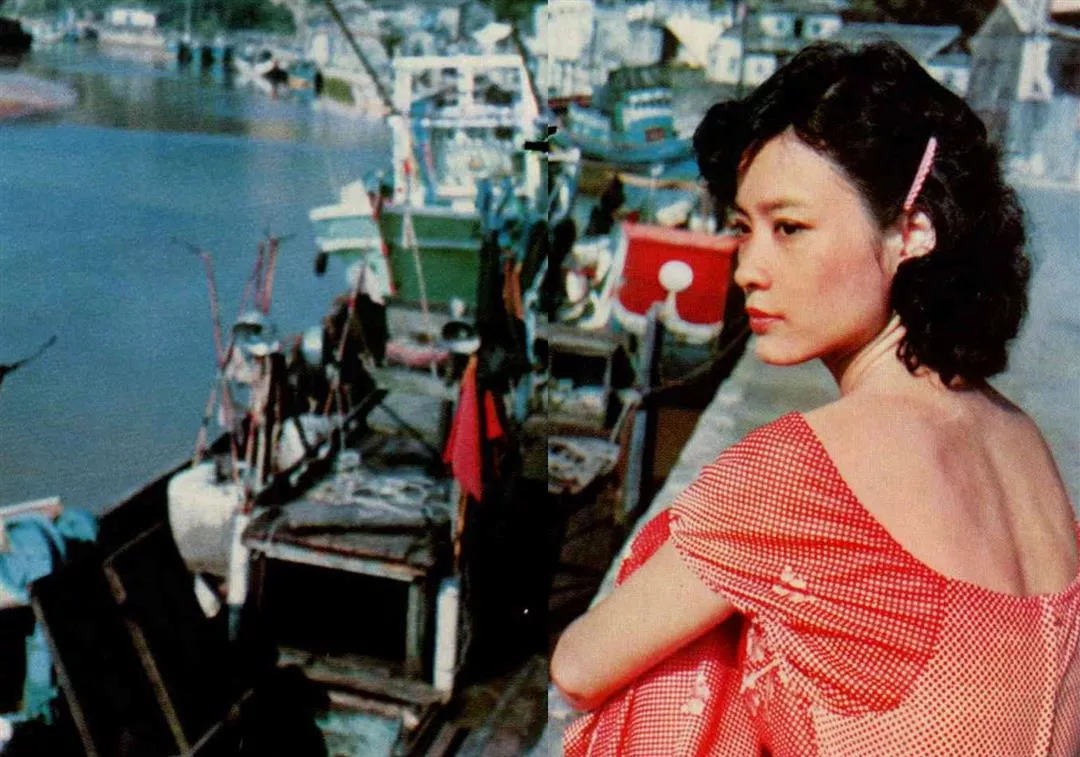
1. Movie star Lu Hsiao-fen portrays a prostitute named Pai Mei in A Flower in the Rainy Night.
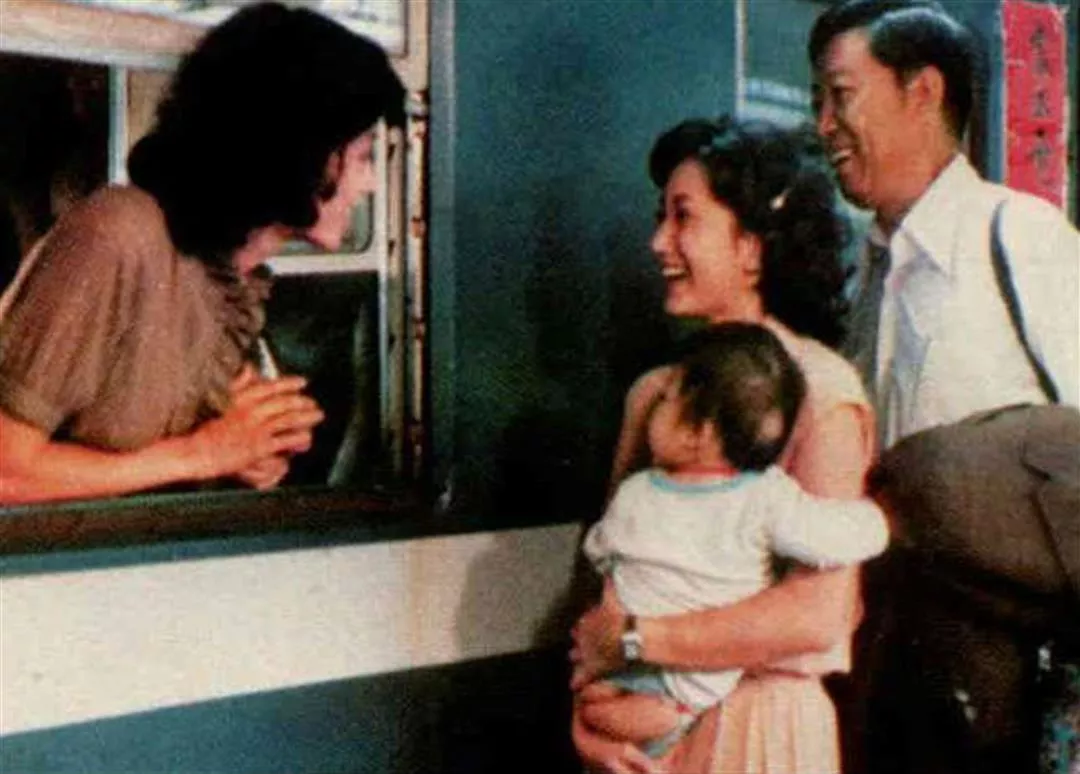
2. Pai Mei meets an old friend who is very happy and wants to be like her.
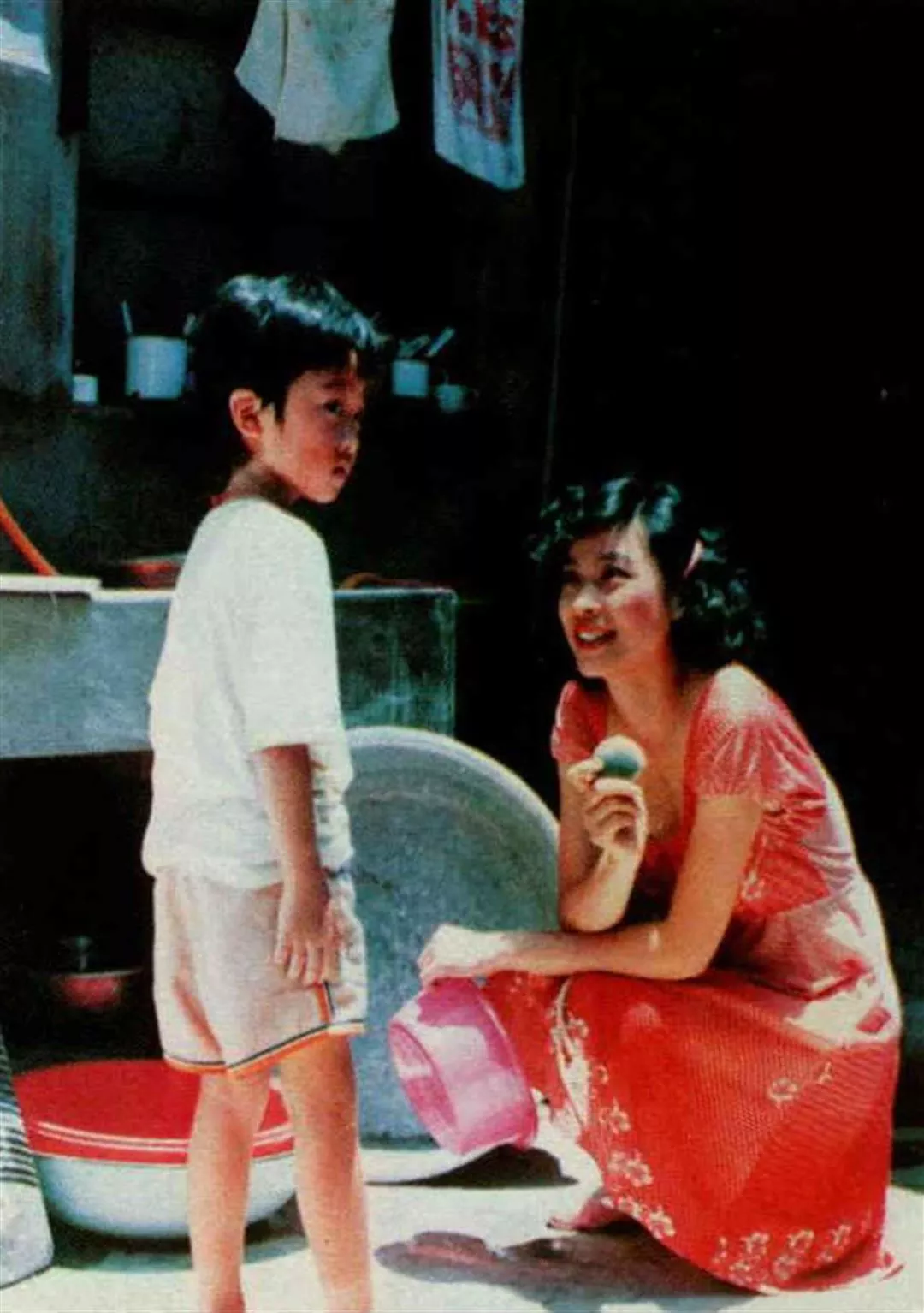
3. From this scene, one can see Pai Mei's love for children.
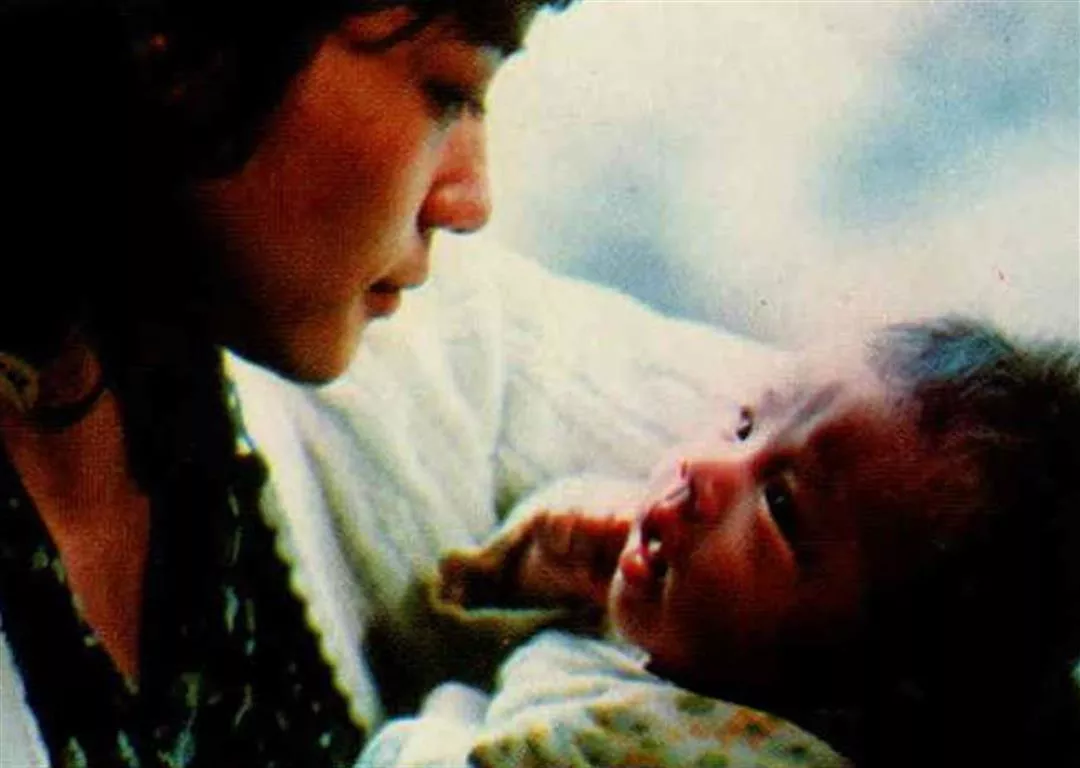
4. "If only I had my own child then I could put all my hopes in it." Pai Mei at long last gets her wish.
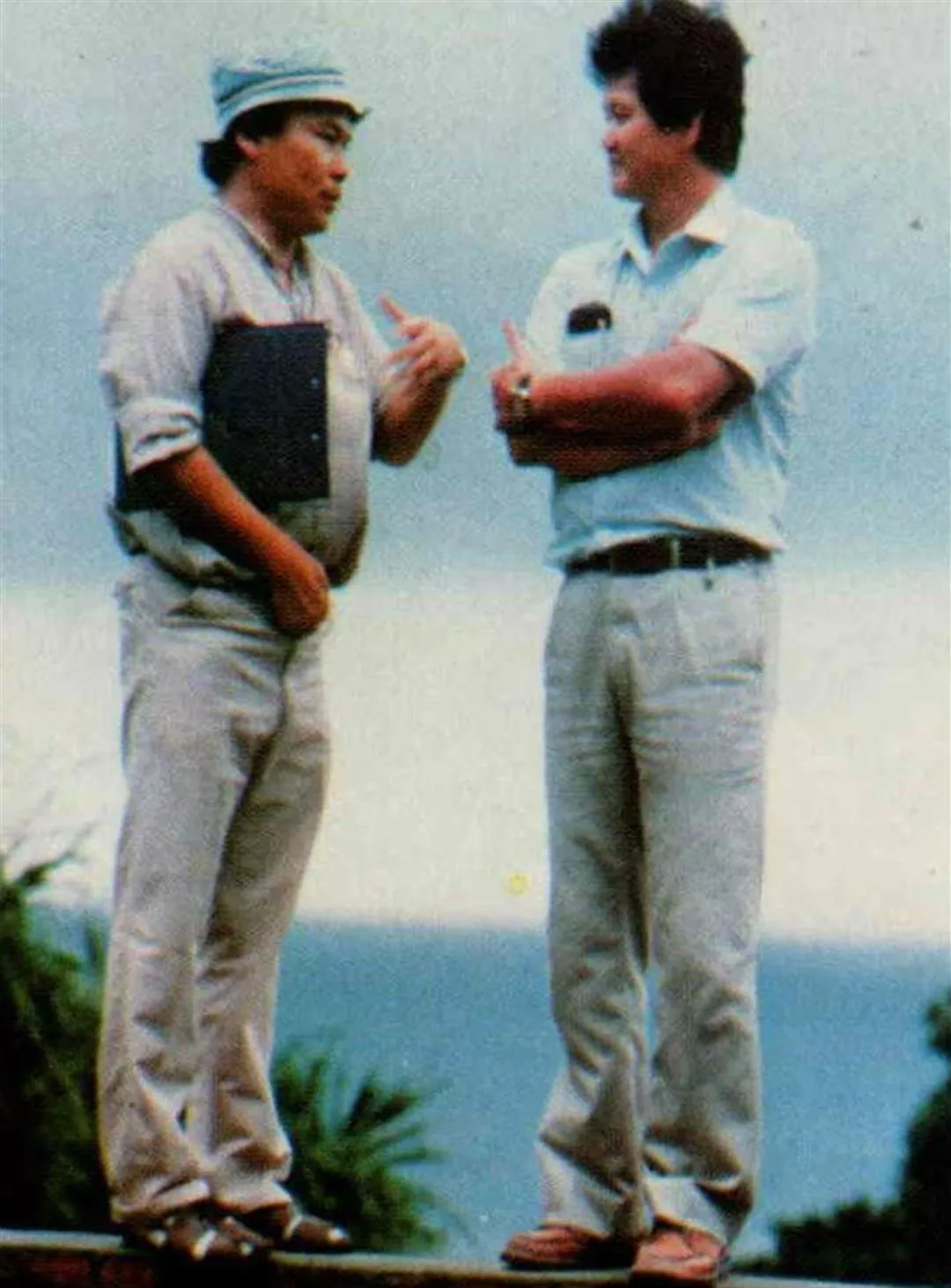
5. Director of A Flower in the Rainy Night, Wang Tong (left) and screen writer Huang Ch'un-ming having a short discussion during filming.
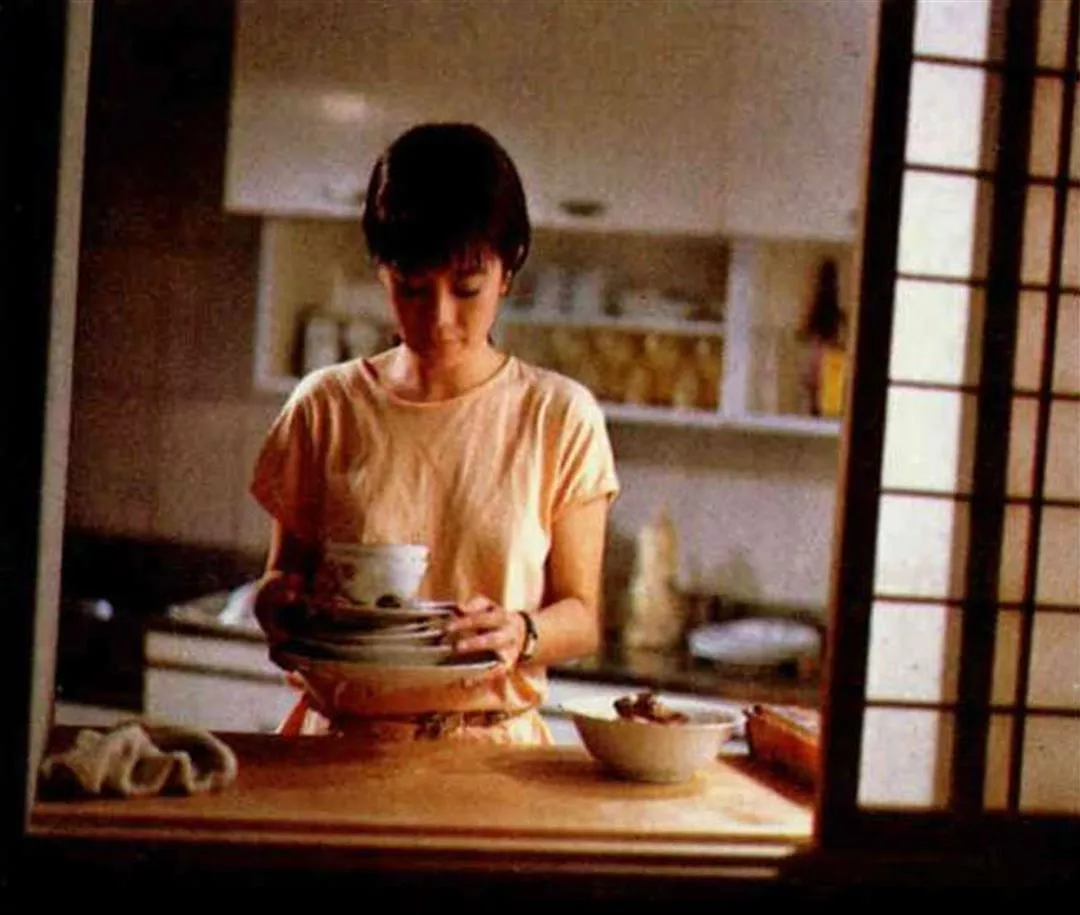
1. That Day on the Beach, a movie about a newlywed couple, directed by Yang Te-chang; the actress is Chang Ai-chia.
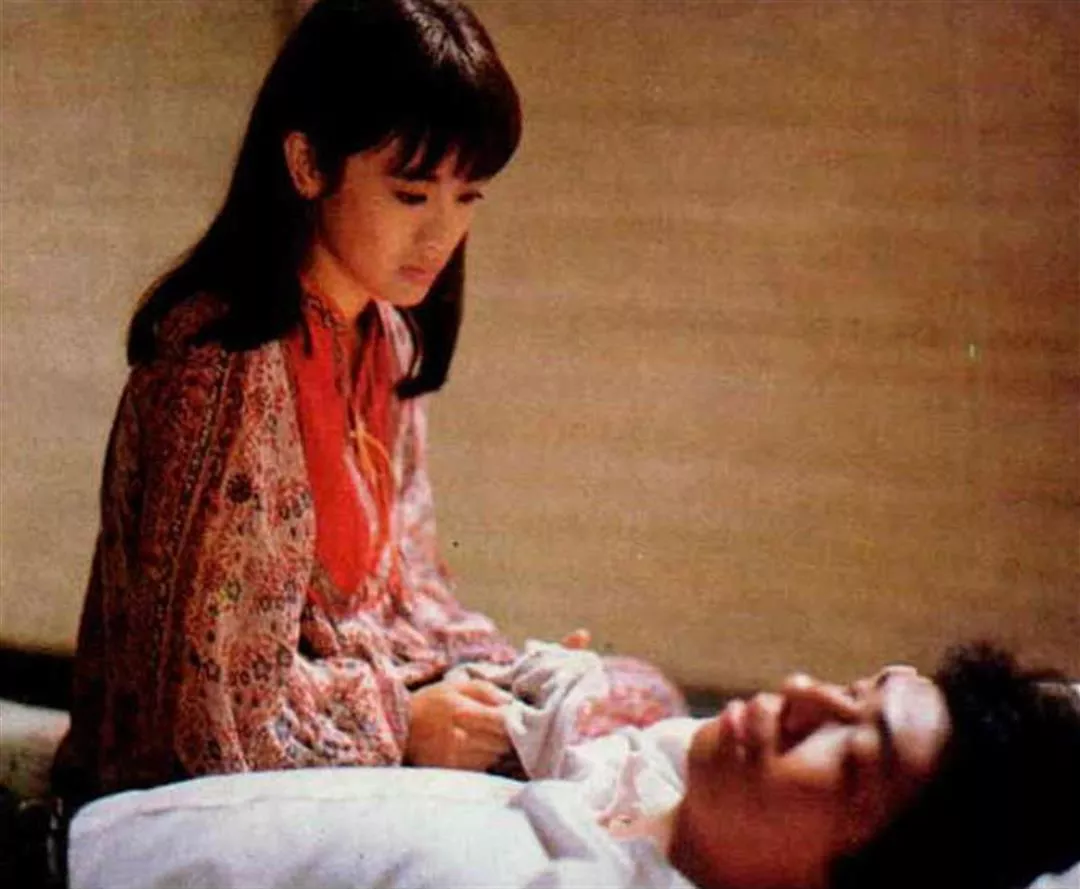
2. Chang Ai-chia doesn't understand where the love her husband and she shared before marriage has gone.
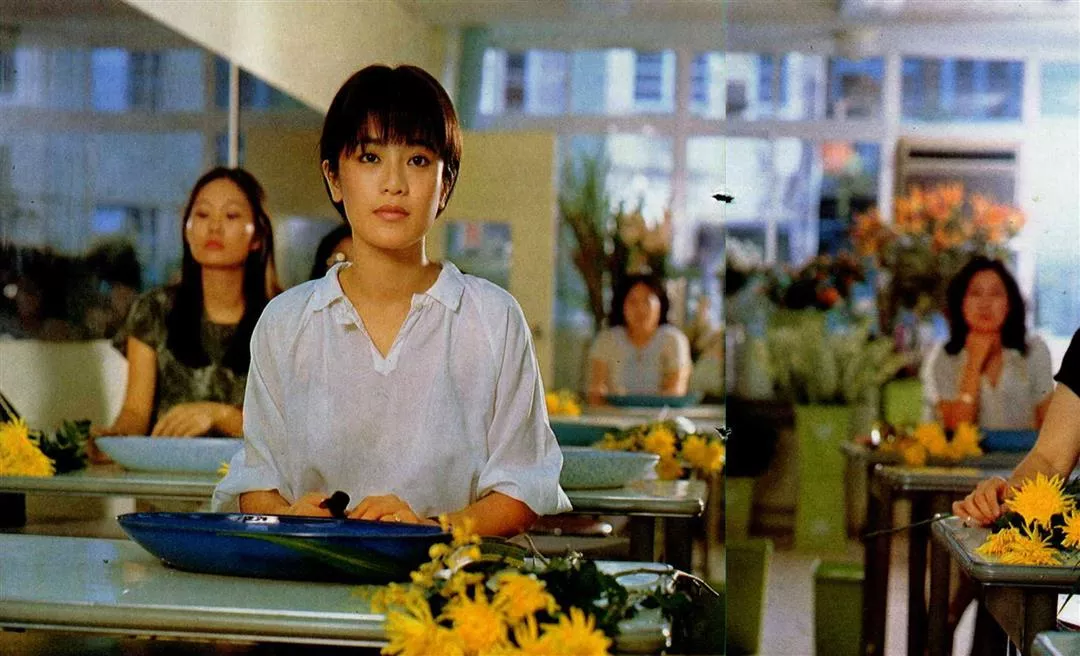
4. Chang Ai-chia, despite her high education, still doesn't understand how to solve her marital problems.
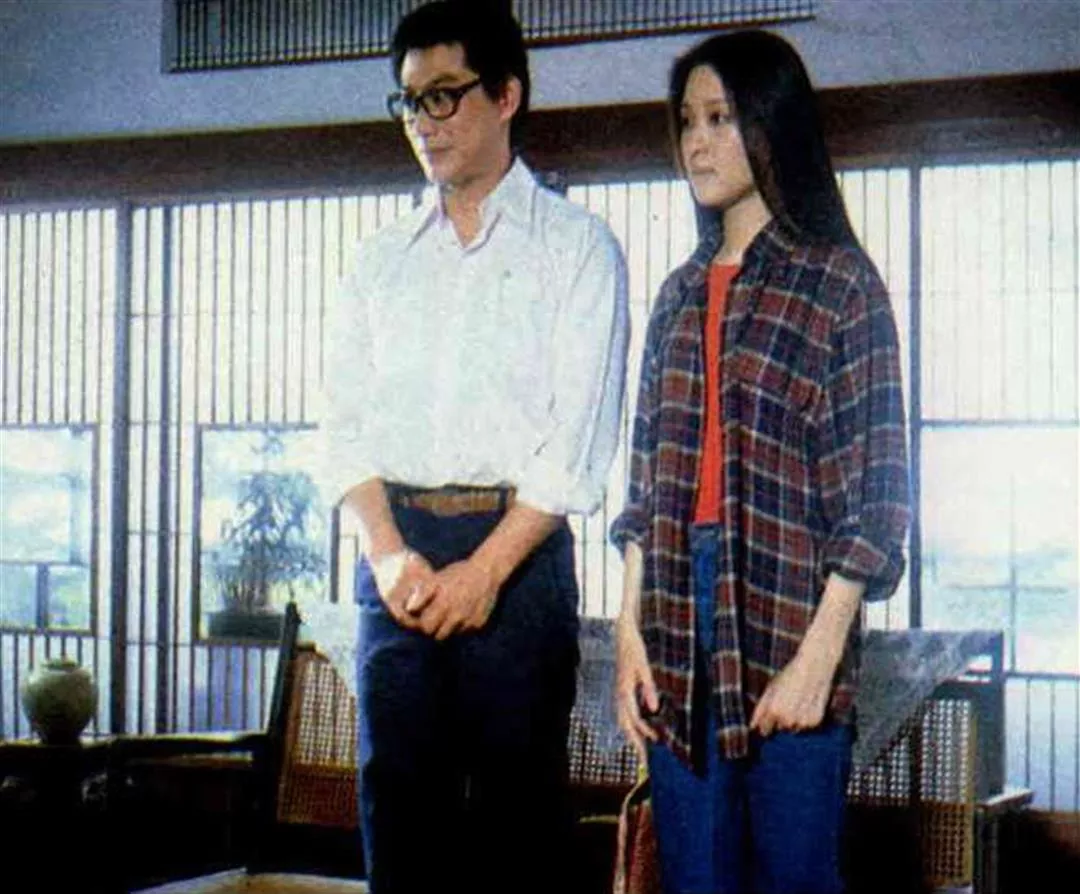
3. Theresa Hu (right) and Tso Wu-hsiang made special guest appearances in That Day on the Beach.
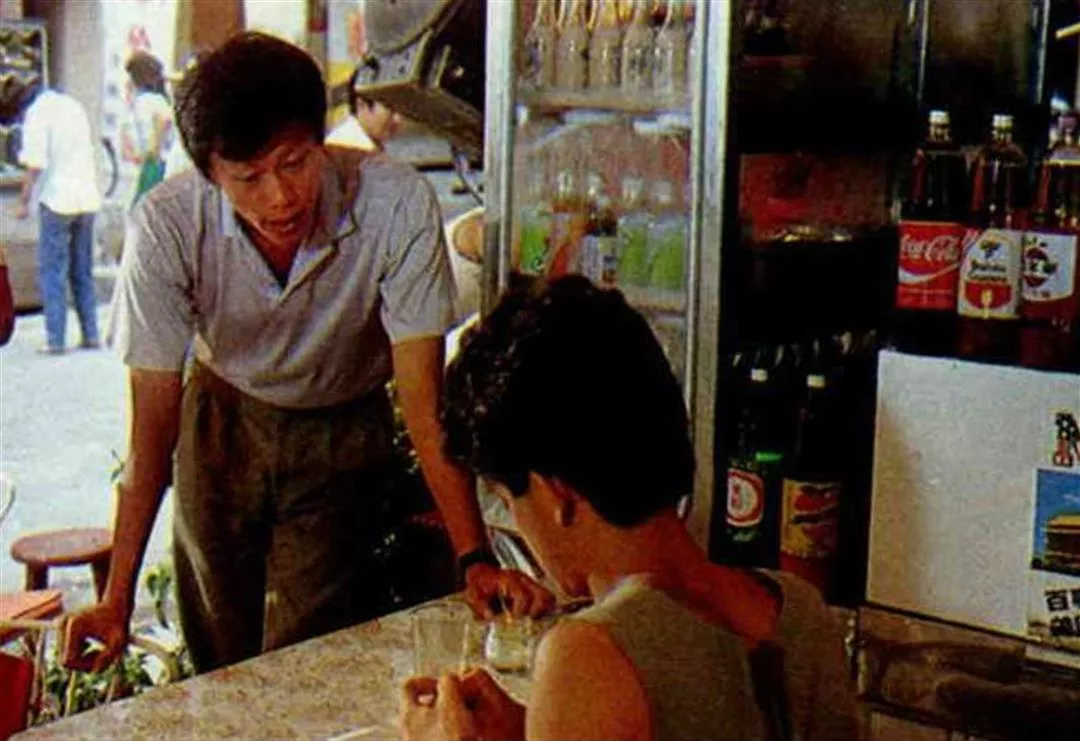
5. Chang Yi directing Kendo, the Kid.
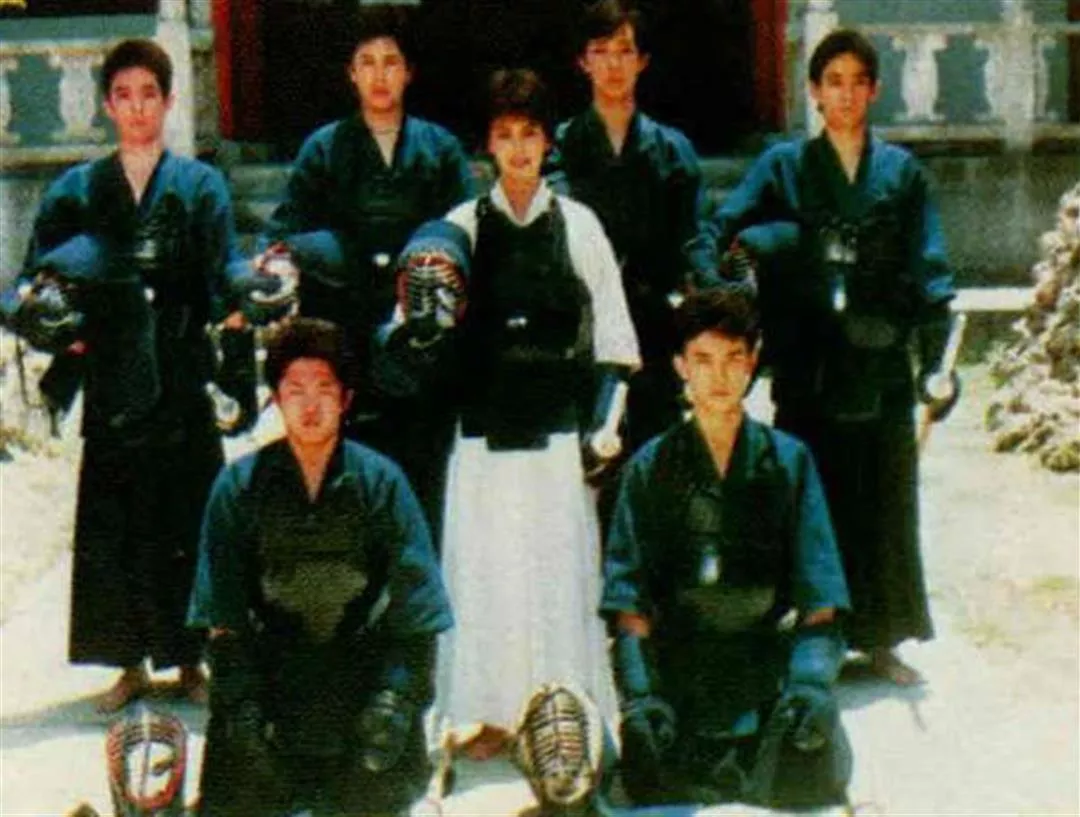
6.7. Kendo, the Kid is the story of a group of teenagers growing up.
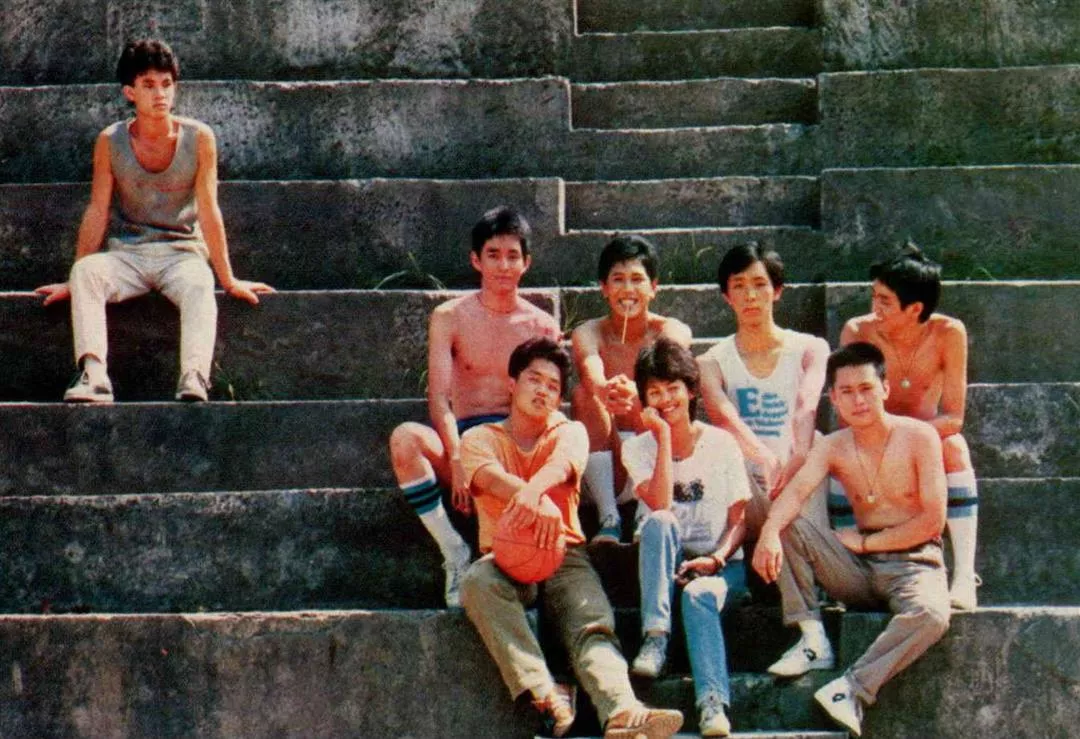
6.7. Kendo, the Kid is the story of a group of teenagers growing up.
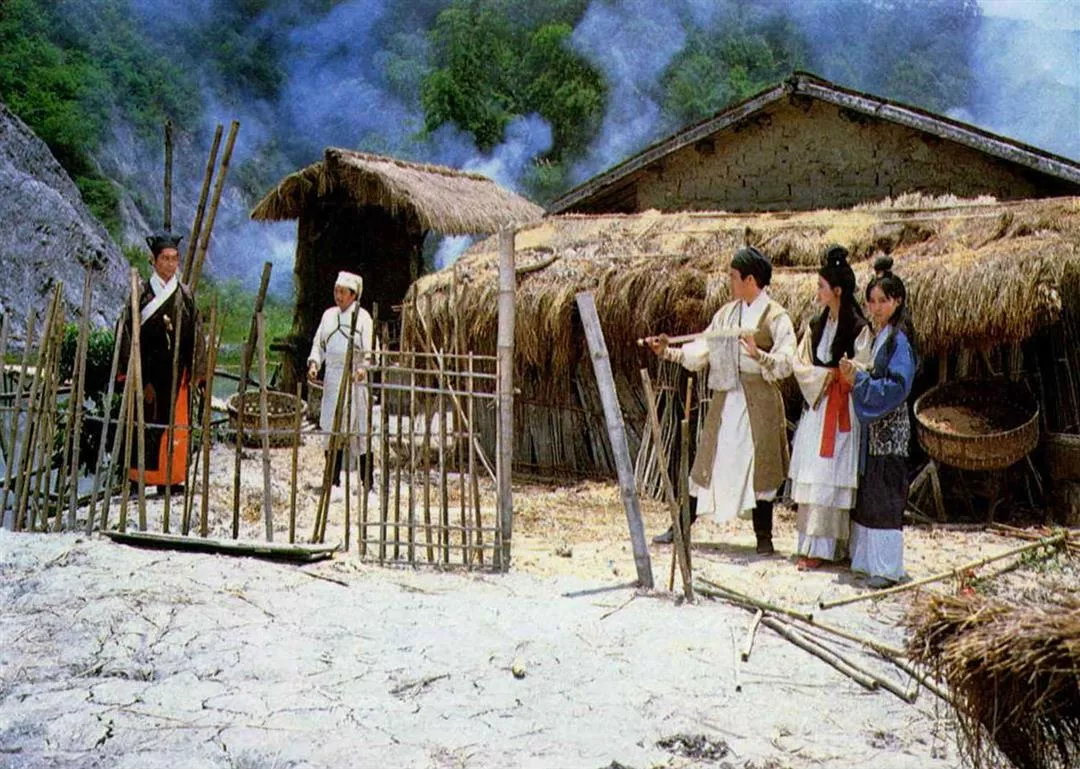
The Wheel of Life is the story of a couple who remain lovers through three re-incarnations. 1-4. Scenes from the first re-incarnation, which takes place during the Ming Dynasty; artistic, joy inspiring scenes are director King Hu's specialties.
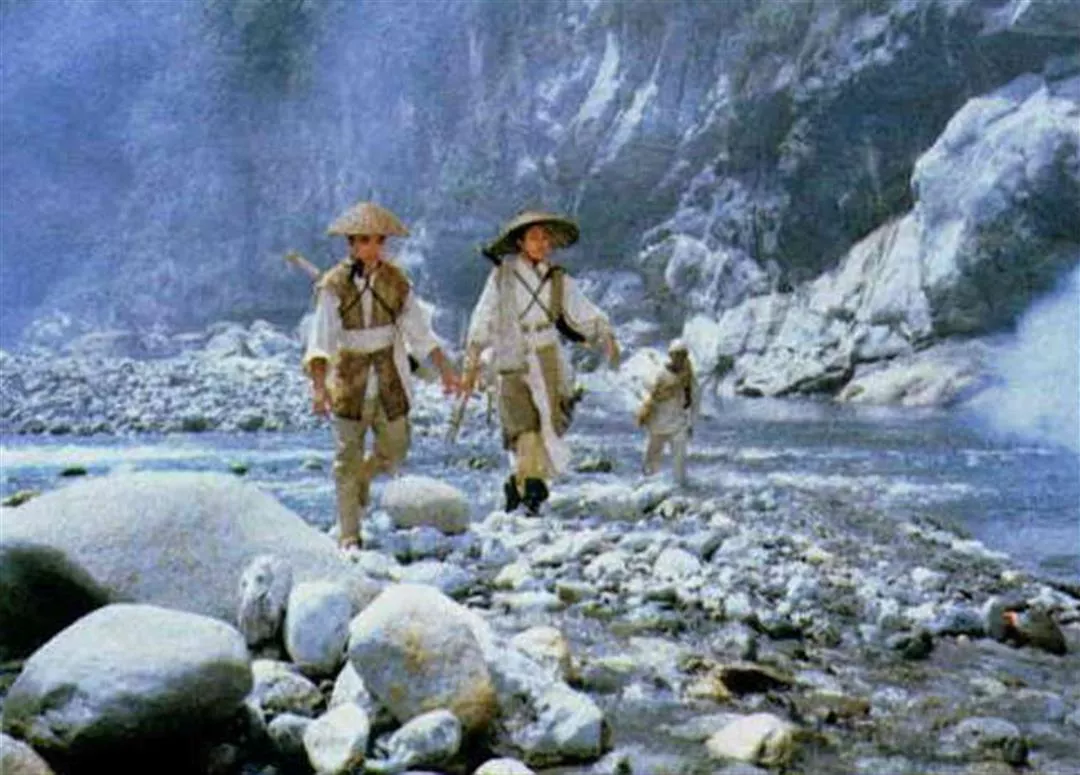
The Wheel of Life is the story of a couple who remain lovers through three re-incarnations. 1-4. Scenes from the first re-incarnation, which takes place during the Ming Dynasty; artistic, joy inspiring scenes are director King Hu's specialties.

The Wheel of Life is the story of a couple who remain lovers through three re-incarnations. 1-4. Scenes from the first re-incarnation, which takes place during the Ming Dynasty; artistic, joy inspiring scenes are director King Hu's specialties.
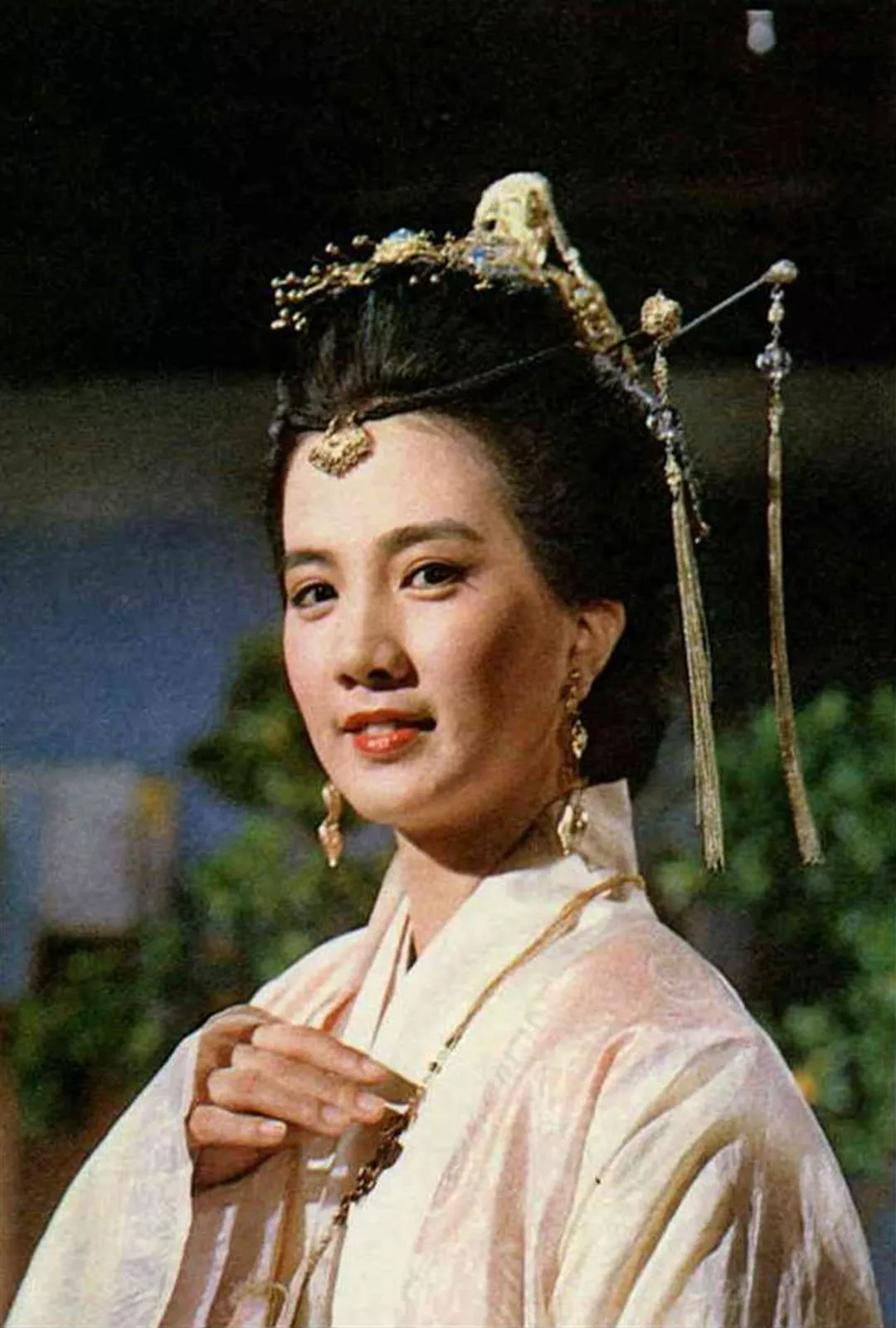
The Wheel of Life is the story of a couple who remain lovers through three re-incarnations. 1-4. Scenes from the first re-incarnation, which takes place during the Ming Dynasty; artistic, joy inspiring scenes are director King Hu's specialties.
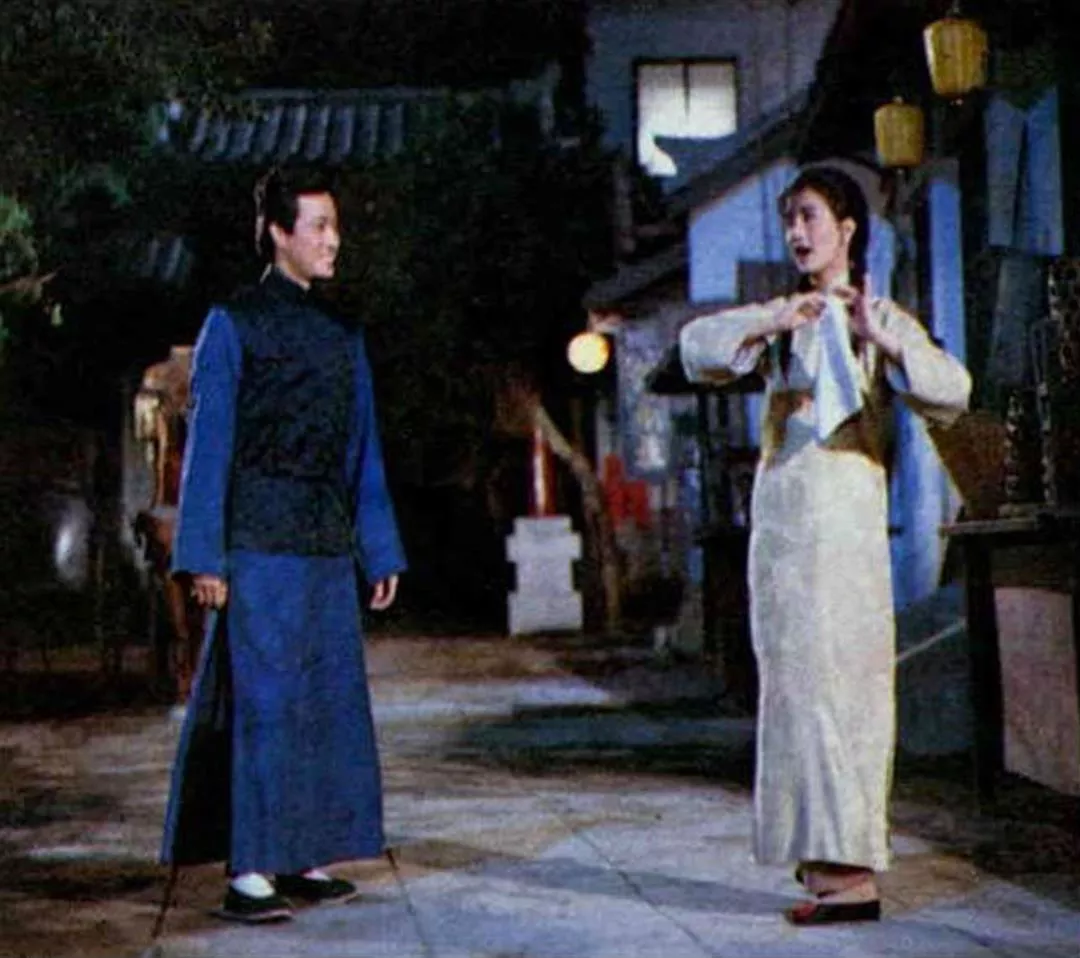
5.6.7. The second life for the two lovers takes place during the beginning of the Chinese Re public. This section is directed by Li Hsing, Peng Hsueh-fen portrays a Peking Opera troupe performer.
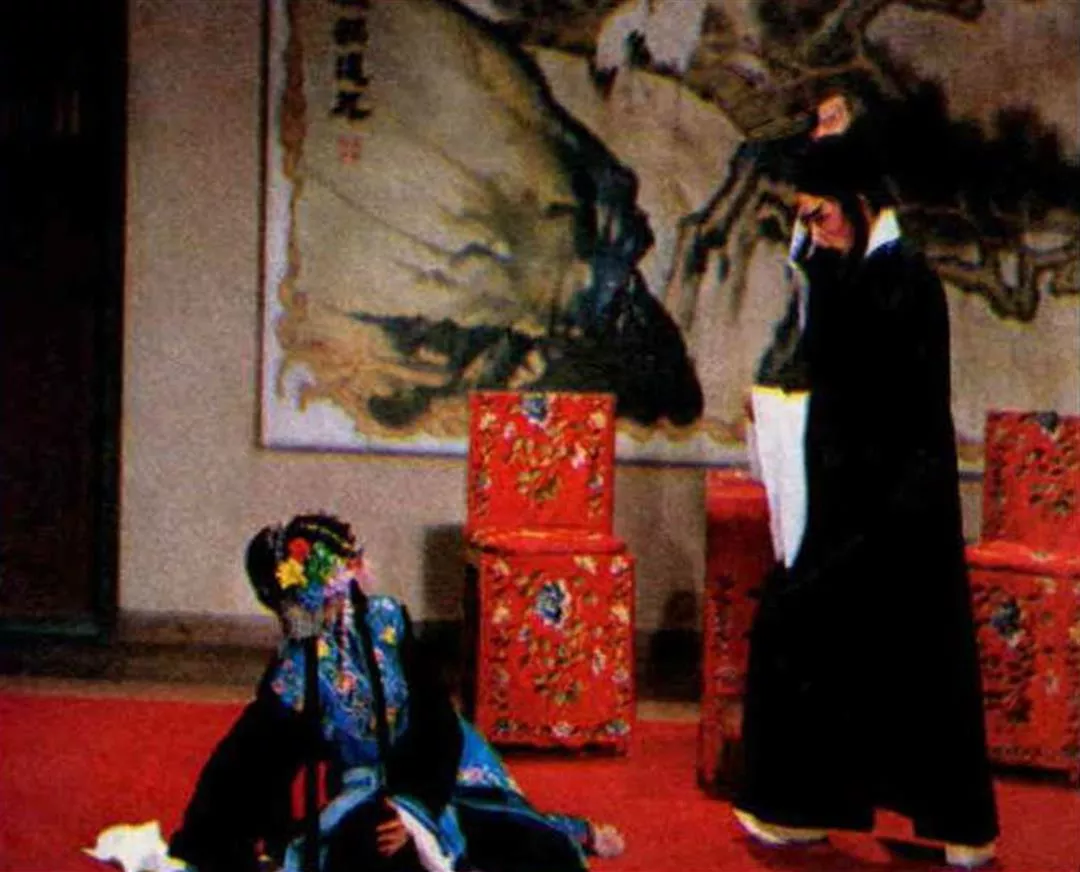
5.6.7. The second life for the two lovers takes place during the beginning of the Chinese Re public. This section is directed by Li Hsing, Peng Hsueh-fen portrays a Peking Opera troupe performer.
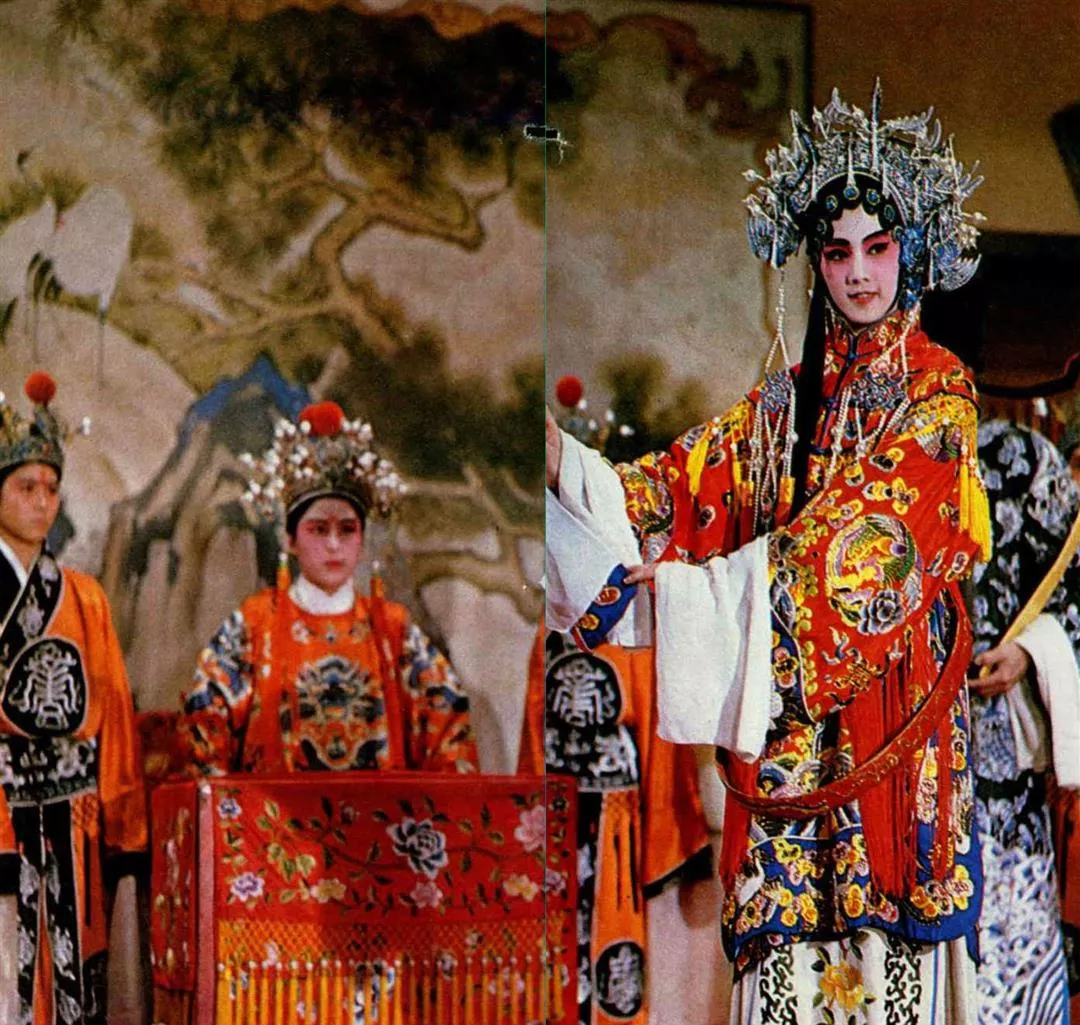
5.6.7. The second life for the two lovers takes place during the beginning of the Chinese Re public. This section is directed by Li Hsing, Peng Hsueh-fen portrays a Peking Opera troupe performer.
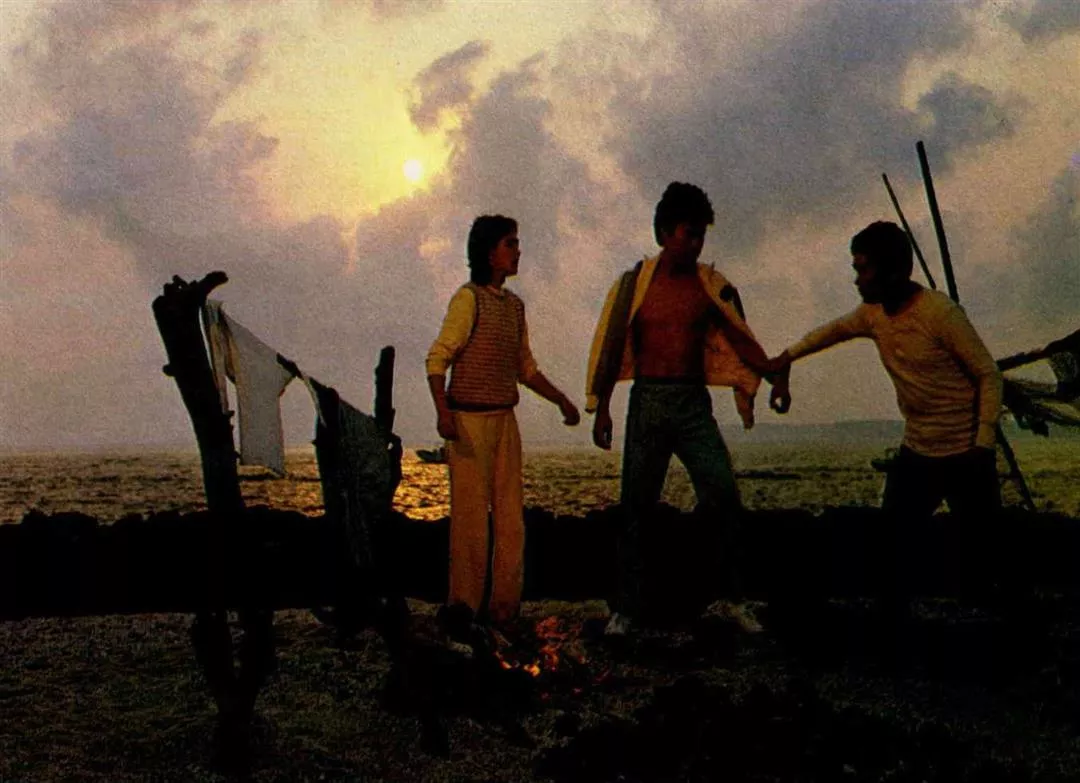
8.9. Pai Ching-jui directs this couple's final meeting which takes place in today's world. Shih Chun and Chiang Ho-jen portray brothers who must rely on each other for life. Elder brother Shih Chun is afraid that Peng Hsueh-fen will take his younger brother Chiang Ho-jen away from him.
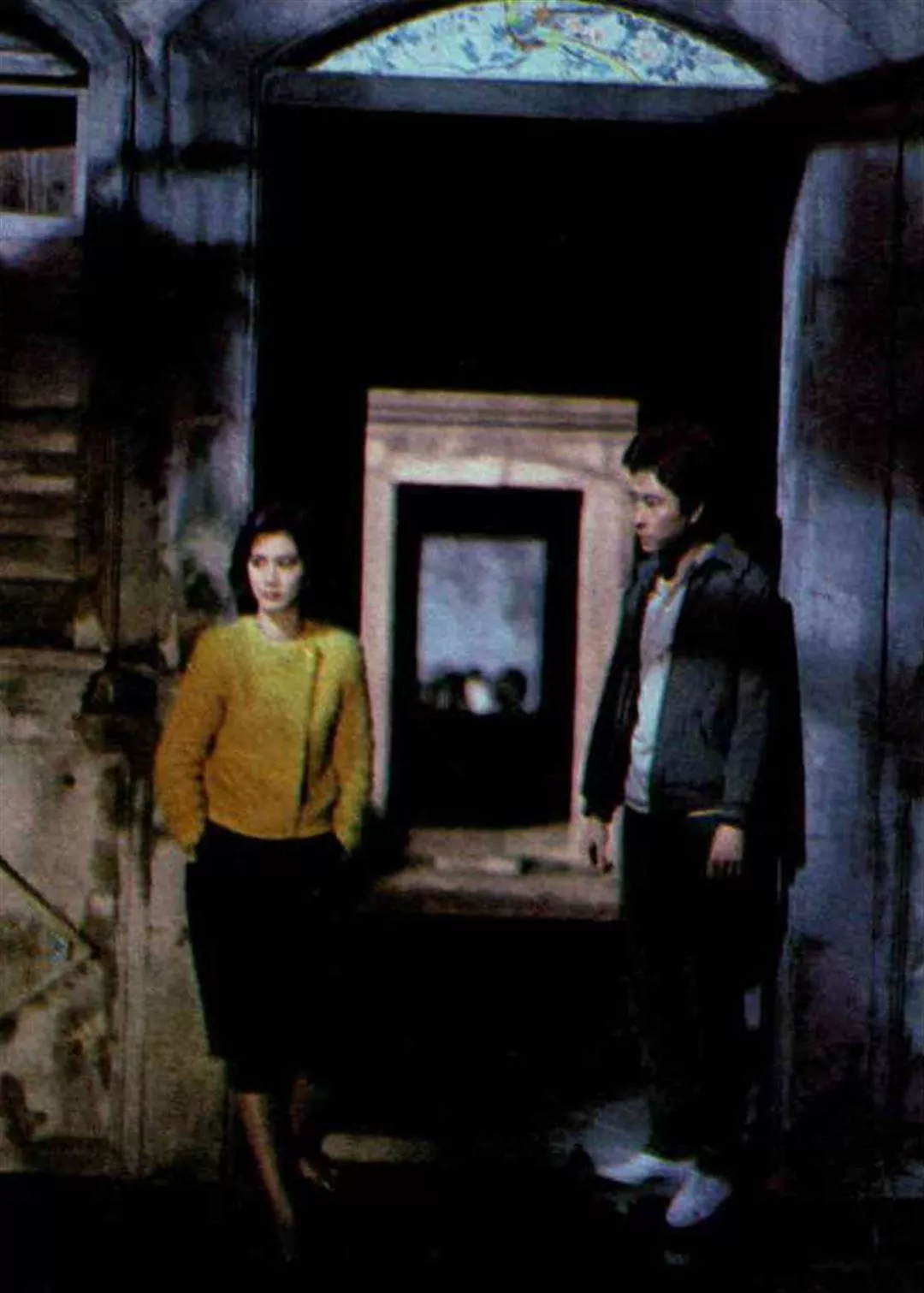
8.9. Pai Ching-jui directs this couple's final meeting which takes place in today's world. Shih Chun and Chiang Ho-jen portray brothers who must rely on each other for life. Elder brother Shih Chun is afraid that Peng Hsueh-fen will take his younger brother Chiang Ho-jen away from him.
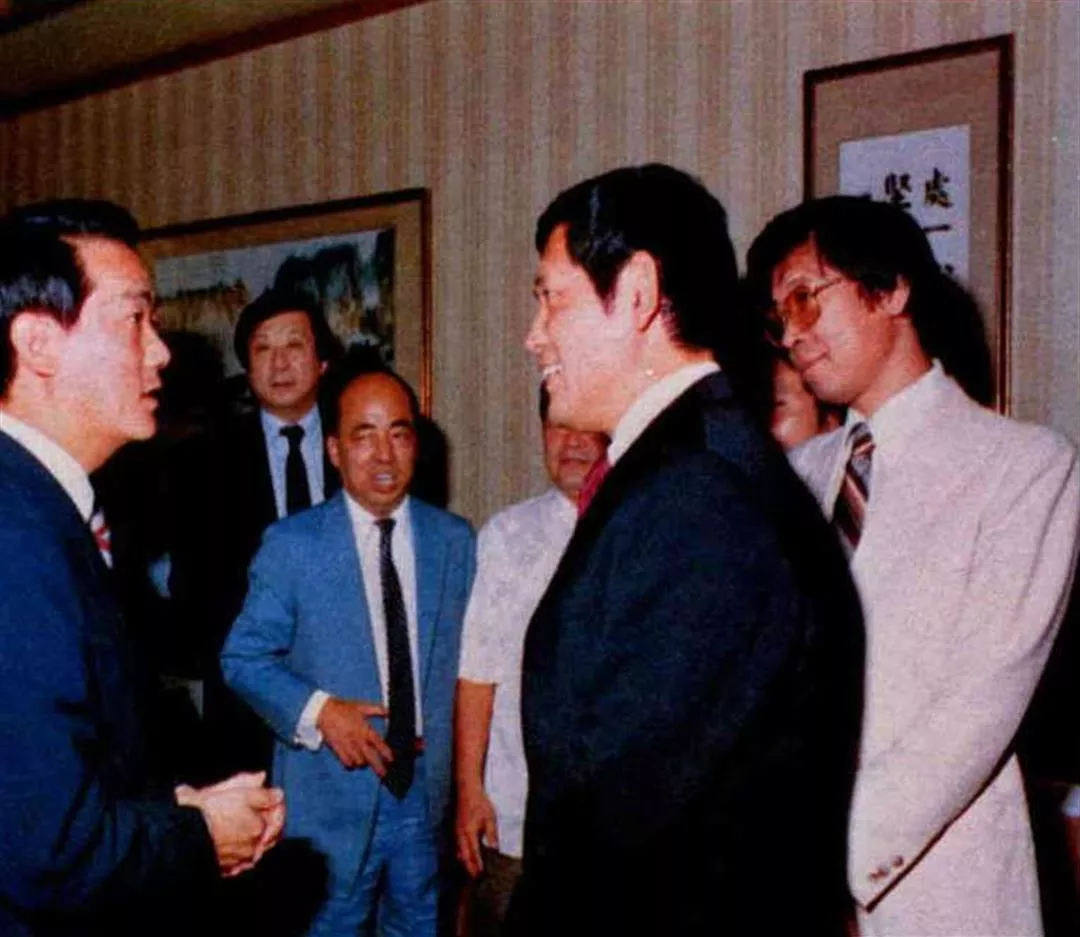
1. Government Information Office Director General Dr. James Soong congratulates members of the movie industry on their hard work which has given us many exceptional movies, at a recent movie showing. Ho Hsiao-hsien has made quite a few good movies in recent years.
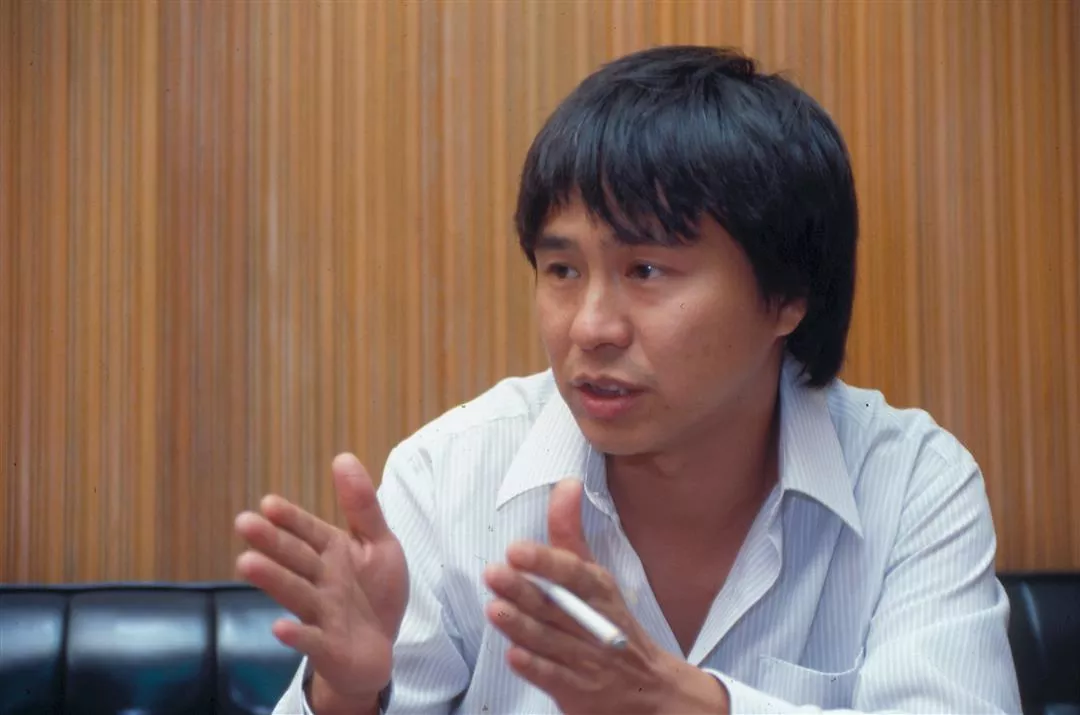
Ho Hsiao-hsien has made quite a few good movies in recent years.
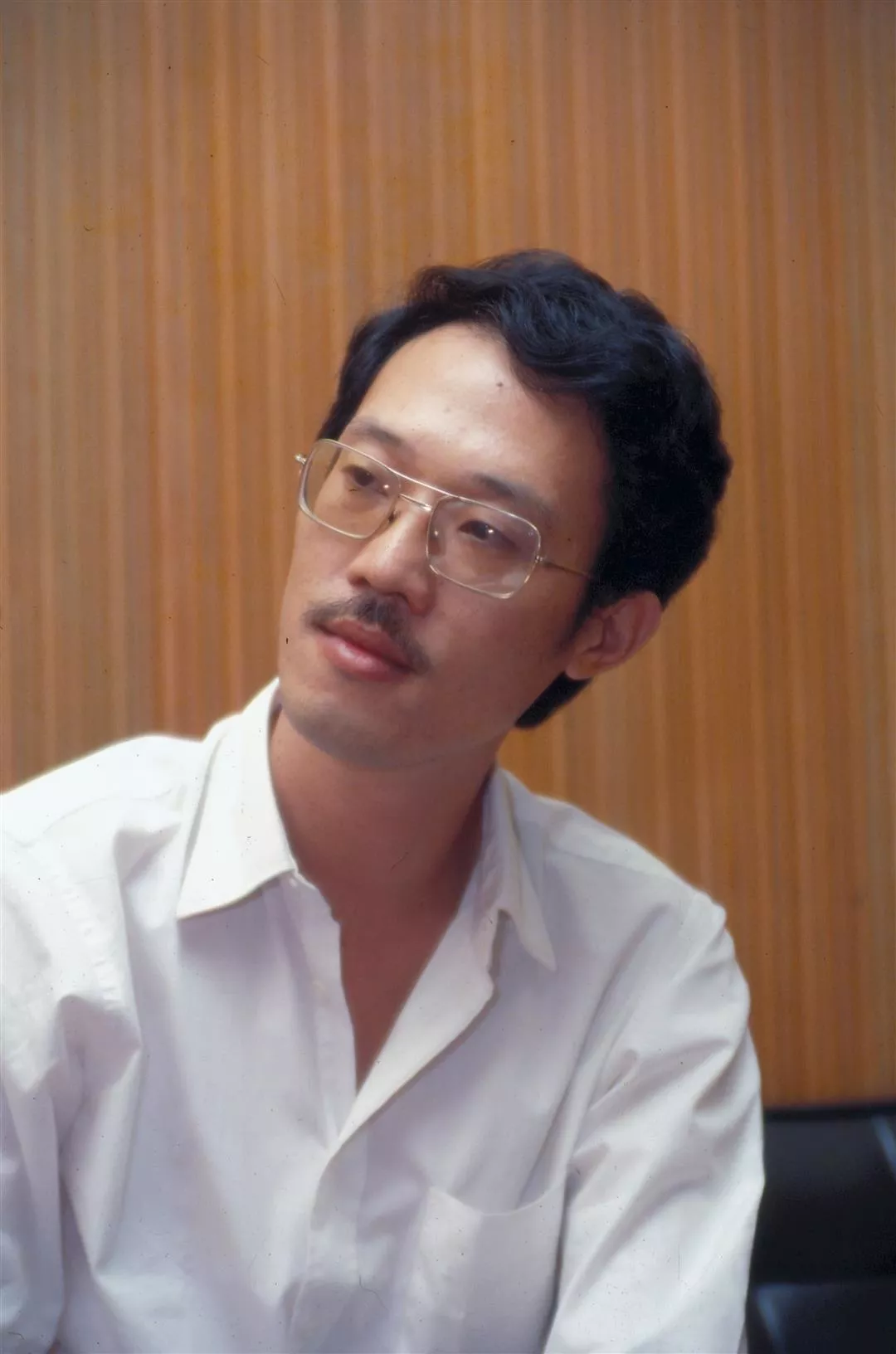
3.4. Wan Jen and Tseng Chuang-hsiang, who both have Master's degrees in Cinematography from the U.S., and who have won awards for their experimental films. Thus they were chosen to carry the banner of the China Film Company.
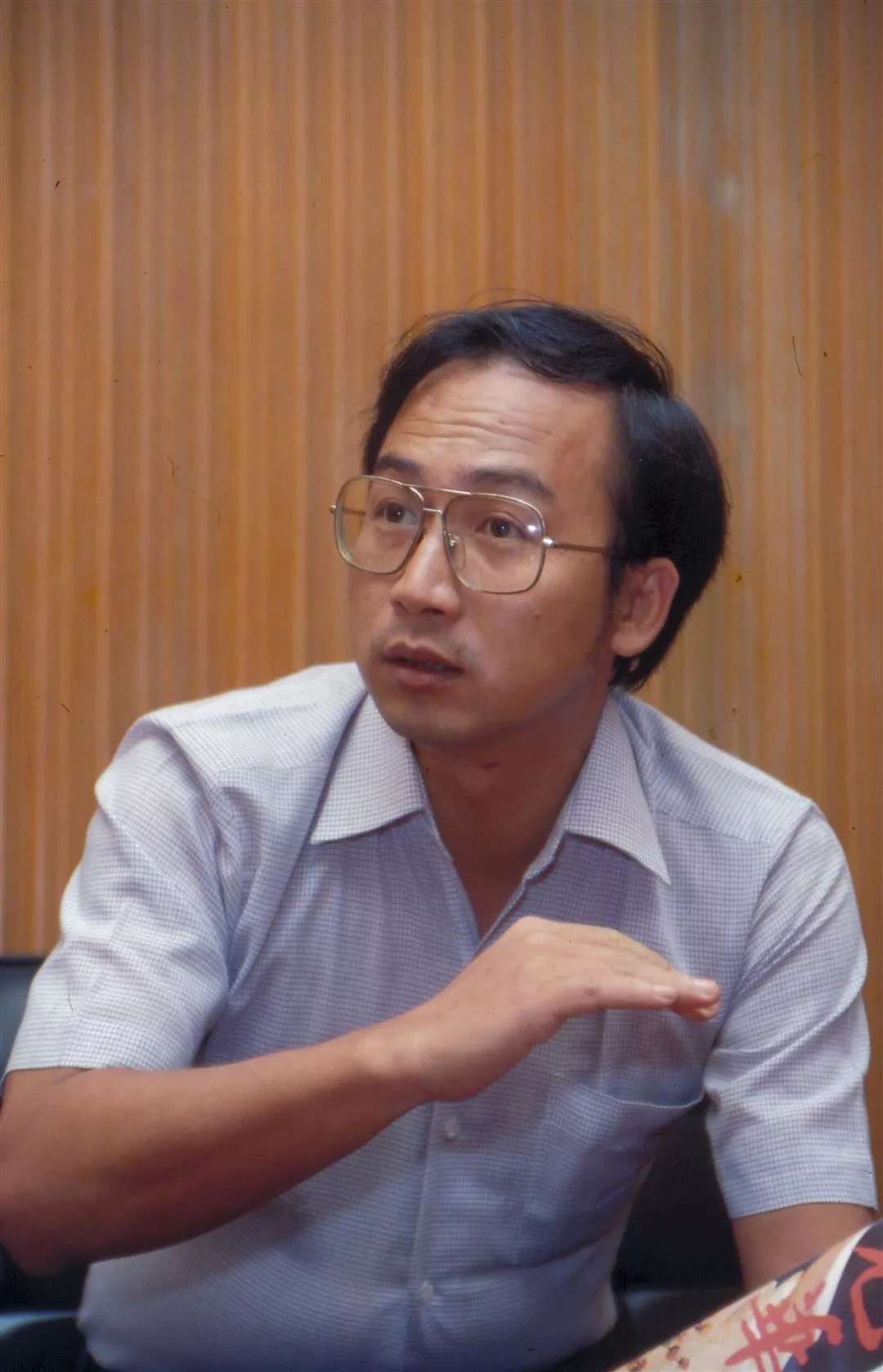
3.4. Wan Jen and Tseng Chuang-hsiang, who both have Master's degrees in Cinematography from the U.S., and who have won awards for their experimental films. Thus they were chosen to carry the banner of the China Film Company.


@List.jpg?w=522&h=410&mode=crop&format=webp&quality=80)


@List.jpg?w=522&h=410&mode=crop&format=webp&quality=80)