Dogs came from wolves, and not vice versa. So says the noted zoologist Hsia Yuan-yu, who explains that the dog's skull is broader, a sign of evolutionary advance. Over 1.5 million years ago, wolves were numerous and had already differentiated into distinct varieties in different areas. Some of their offspring came to depend on Man and became dogs.
Hsia says that prehistoric Chinese dogs may have evolved from Chinese wolves, but that the major dog breeds of ancient China-the Asian pariah, the hsi, and the mastiff--must have originated in Indian wolves, and migrated or been brought by Man to China. Interbreeding has made it difficult to trace their places of origins more exactly.
Other people say the pariah dog evolved from the Manchurian wolf. Wherever it came from, the pariah's current descendants are spread very broadly, indeed. Those in northern China are large; those in the South, small; and those on Taiwan, smaller yet. The Japanese breeds Akita and Kai also belong to the pariah line.
Hsi dogs spread over Kansu and Shensi provinces from the far Northwest. Adept at running and hunting, hsi's are pictured on murals of hunts from the Han (206 B.C.-- 220 A.D.) and T'ang (618-907) dynasties. Nine of the dogs shown in Ten Fine Dogs by the Ching dynasty court painter Giuseppe Castiglione (1698--1768) are hsi's. The other is a Tibetan mastiff.
Tibetan mastiffs were introduced to China by the Huns, and are still raised by the nomads of Mongolia and Tibet. Northern Chinese call them Tartar dogs. Mastiffs are large; Assyrian kings, it is said, used them to hunt lions.
Another theory traces the origins of the smaller Chinese breeds, such as the Pekinese and the Lhasa apso, to the tiny hsiu, or sleeve, dog of Sinkiang, so named because it can fit inside a sleeve. One expert believes the hsiu was brought to China from Greece along the ancient Silk Road.
On Taiwan at present the most commonly found Chinese breeds are the sharpie, the Lhasa apso, the pug, the Pekinese, and the chow chow. Each has its distinctive features and personality.
The sharpie, with its wrinkled face and fur like an ill-fitting, rumpled old coat, is certainly the ugliest, but ugly in a lovable way. A model sharpie has a flat, square face; soft, thin ears; narrow, deep-set eyes; a broad snout; and a wide mouth--the whole head somewhat resembling a hippo's. Dog fanciers say the sharpie regularly wins the "ugliest breed" category in dog contests, even beating out the English bulldog.
Cantonese claim the sharpie as their own and say the dog is common in their province. Westerners prize it for its peculiar features, and prices are very high on Taiwan. In 1982 a fine specimen commonly fetched from NT$10,000 to $20,000 (US$250 to $500), although today the price has dropped to about US$200.
Lhasa apsos come from Tibet and were first brought to Peking during the Ching dynasty (1644--1911) as tribute. They are distinguished from the pug and the Pekinese, two similar small breeds, by their long, fluffy fur, which hangs down over their eyes. Lively, alert, and intelligent, they make fine watchdogs. In addition, because they are adaptable, small in size, and easy to care for, they have been very popular on Taiwan ever since their introduction here several decades ago--so popular, in fact, that pure Lhasas are now hard to find.
Pugs are a Chinese breed that was introduced to Europe by early Dutch merchants, where they were further refined. They are short-haired and powerfully built, with a barrel chest and short back. Their big eyes, "pug" nose, and expression of helplessness make them look like mournful philosophers, but in disposition they are actually lively and cheerful, a contrast which adds to their appeal. And with the trend in favor of small, short-haired dogs, which are easier to take care of, pugs are more and more in demand.
The Pekinese, true to its name, is the most "orthodox" breed of China. Chinese call it "the goldfish of the land" because of its flat head, bulging eyes, short body, and fluffy tail. In addition, since its legs are shorter in front than in back, the Pekinese wiggles when it walks, like a goldfish swimming through the water.
The Empress Dowager Tz'u Hsi (1835-1908) was fond of Pekinese and contributed to improving the breed. During the Ching dynasty, in fact, only the privileged classes could keep them. Cream yellow and pure white Pekinese are favored on Taiwan now and are among the most expensive breeds.
Chow chows have golden fur, blinking eyes, and, most peculiarly, a deep blue tongue, the origin of which figures in a legend. After P'an Ku opened up the heavens, the sky was filled with blue stars that shed blue light on the earth below. A dog licked up the starlight and his tongue turned deep blue. This was the ancestor of the chow.
Most people think chows come from Kwangtung, but in view of the dogs' dislike of hot weather, this is unlikely. Others believe they come from the lamaseries of China's Northwest.
Despite being pudgy and rather stupid looking, chows have a certain stern dignity about them and are extremely loyal--to only one master. They were introduced to Taiwan some twenty years ago, but have always been rare, costing as much as US$250 in 1982. There are more of them now, and they run about us$100.
China has one more indigenous dog breed, but it hasn't been brought to Taiwan-yet. This is the kuan-mao, or Chinese crested dog, just 25 centimeters high. Except for their paws, tail, and a tuft on their head like a peacock's comb, kuan-mao's are completely hairless, as bare as a whistle. While their baldness makes them look a little like a toy poodle just after a shave, their black spots resemble a Dalmatian's, and the hair on their legs, an Afghan's.
Describing dogs like these may perhaps remind some readers of an anecdote told by Han Fei Tzu, the ancient philosopher. The King of Ch'i once asked a painter what was the hardest thing to paint. "Dogs and horses," the painter replied. "And the easiest?" the king pursued. "Ghosts and demons. Everybody knows dogs and horses; they're in front of us all the time. So it's hard to make a likeness. But ghosts and demons have no form, so they're easy."
Describing Chinese dogs is sometimes difficult, too.
[Picture Caption]
This poised and elegant hsi is pictured in Castiglione's Ten Fine Dogs.
The actor Chang P'ei-hua's Tibetan mastiff is said to have excellent bloodlines and is quite valuable.
One of the Ten Fine Dogs is a Tibetan mastiff.
A pug, the "mournful philosopher," contemplates an unusual visitor.
The sharpie, with its wrinkled face and fur like an ill-fitting coat, is ugly, but in a lovable way.
Lhasa apsos are naturals at playing peek-a-boo.
(Photo from the International Encyclopedia of Dogs)
A pair of Pekinese make a cute couple.
(Left) Despite being pudgy and rather stupid- looking, the chow has a certain stern dignity.
(Right) All bare except for a crest on it head, the kuan-mao is a rather sorry-looking animal. (Photo from the International Encyclopedia of Dogs)
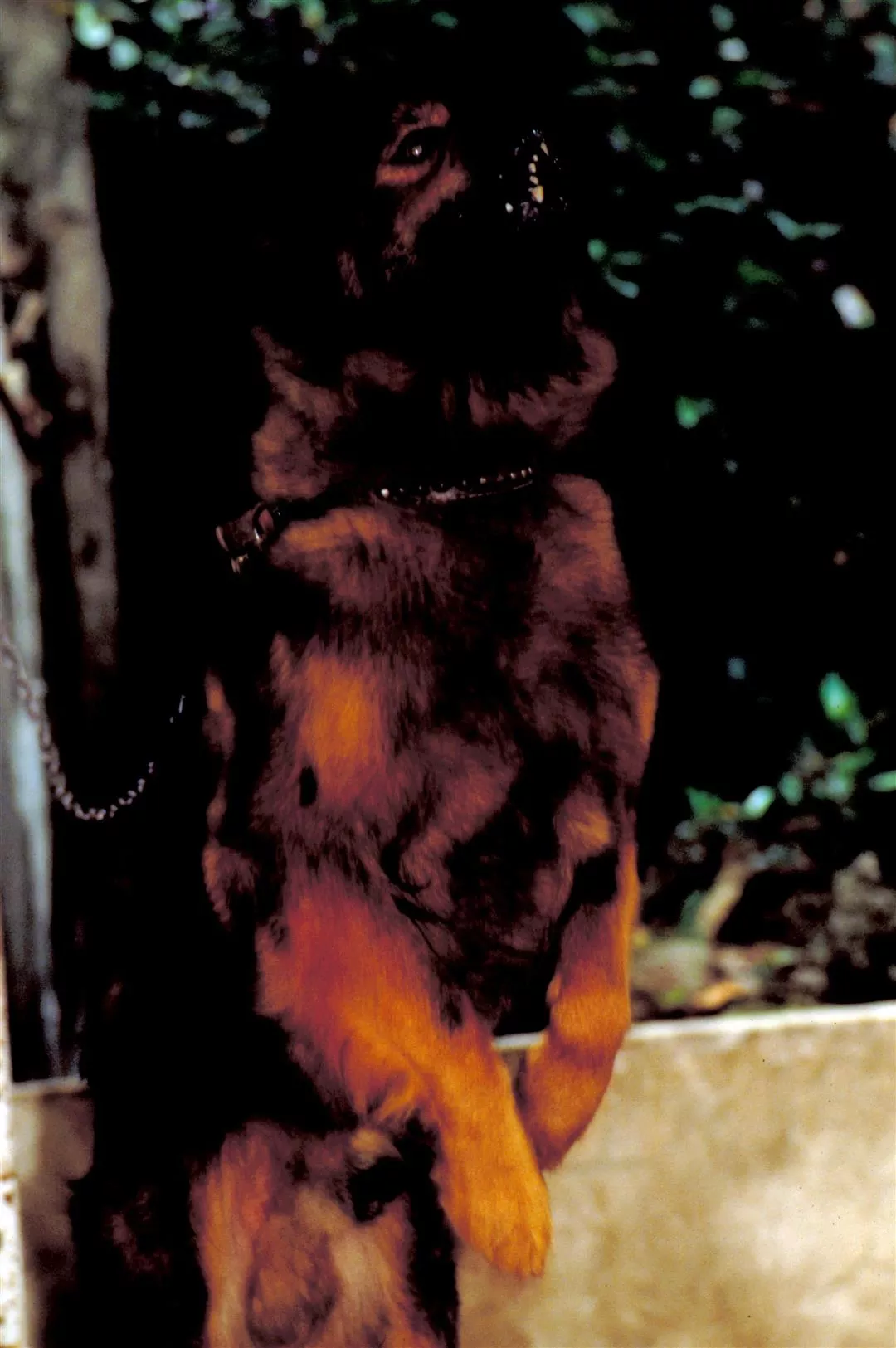
The actor Chang P'ei-hua's Tibetan mastiff is said to have excellent bloodlines and is quite valuable.
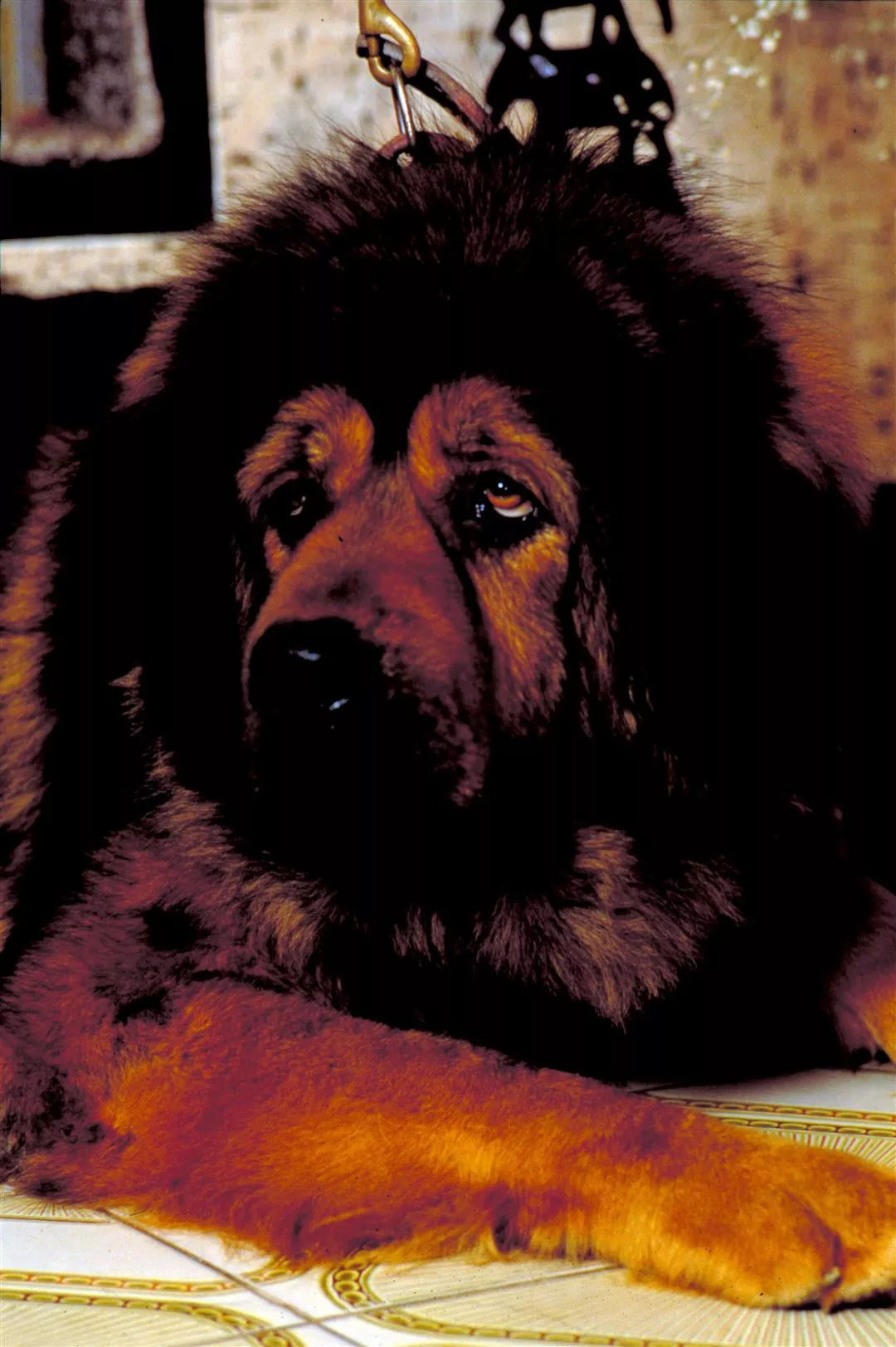
The actor Chang P'ei-hua's Tibetan mastiff is said to have excellent bloodlines and is quite valuable.
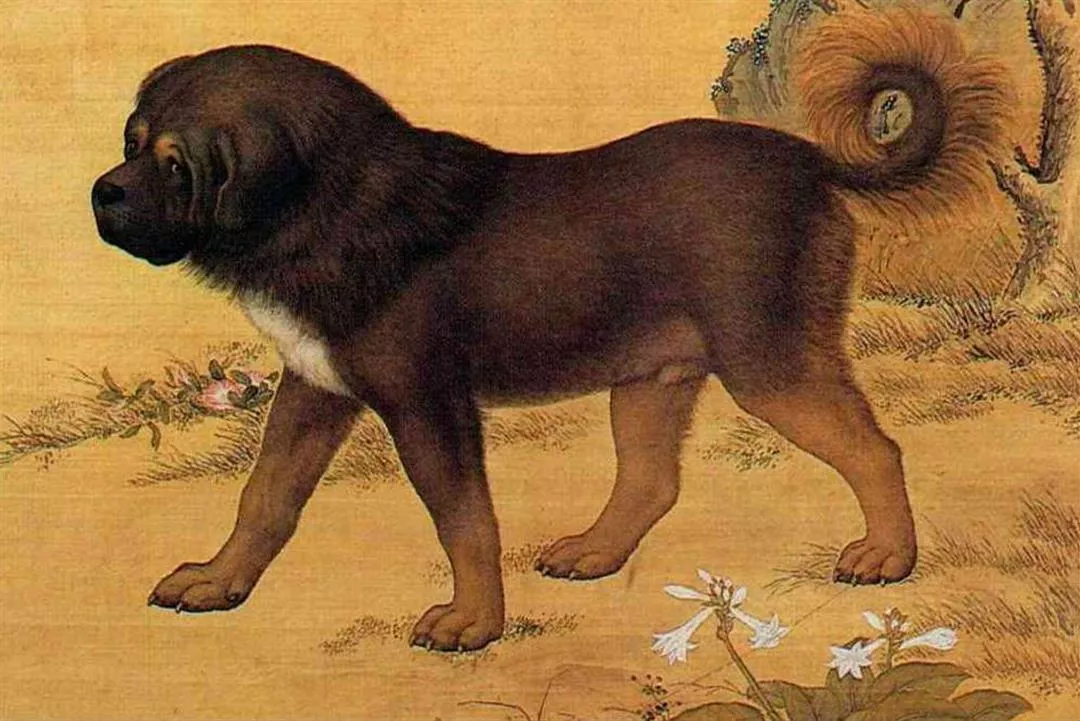
One of the Ten Fine Dogs is a Tibetan mastiff.
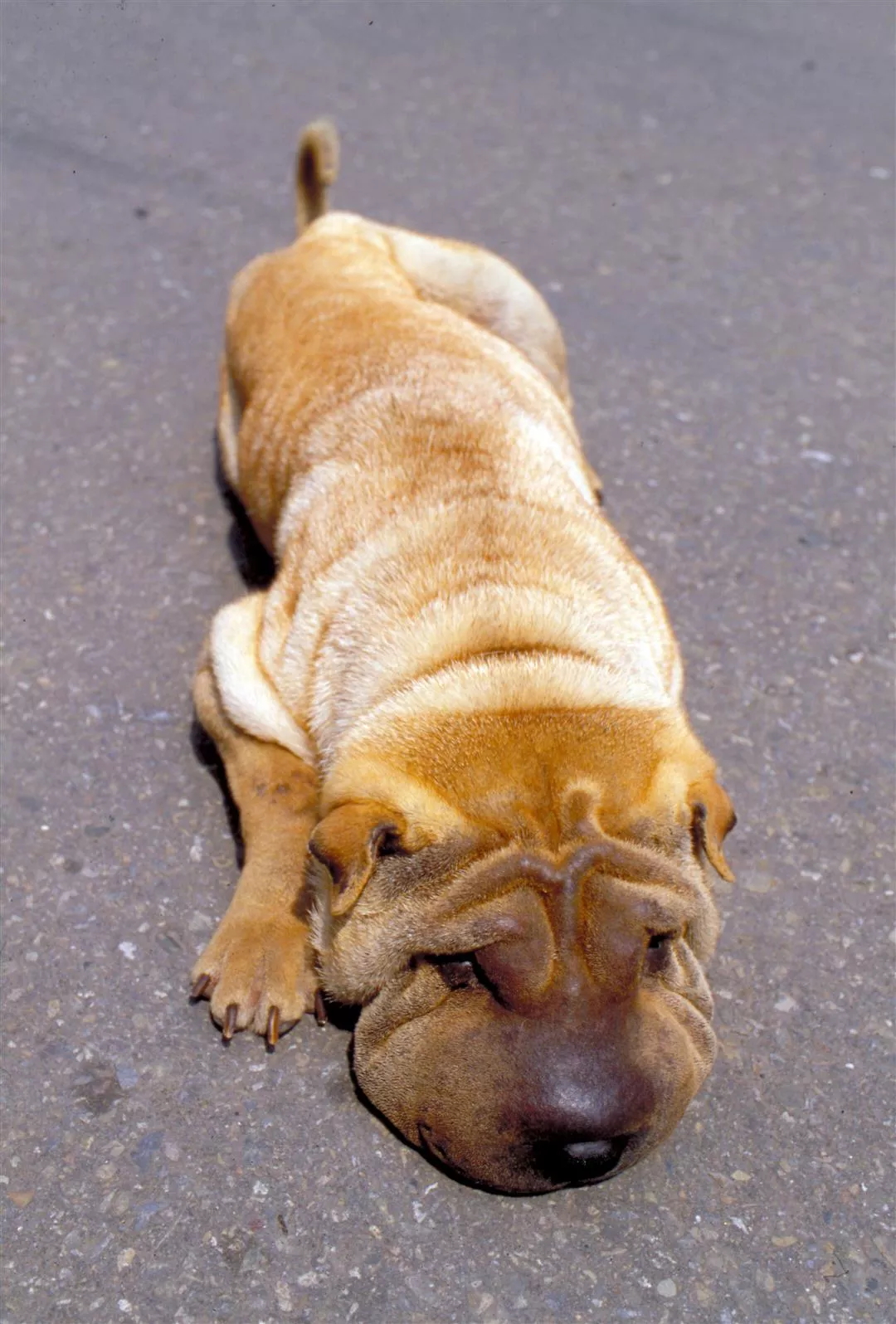
The sharpie, with its wrinkled face and fur like an ill-fitting coat, is ugly, but in a lovable way.
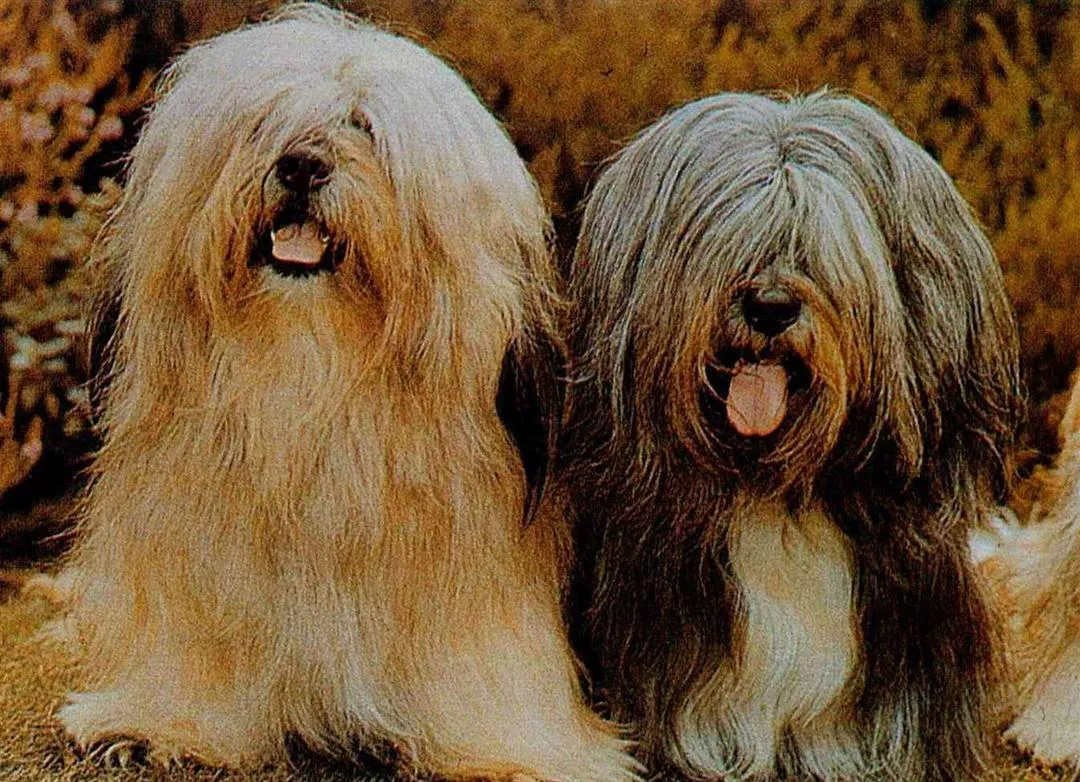
Lhasa apsos are naturals at playing peek-a-boo.
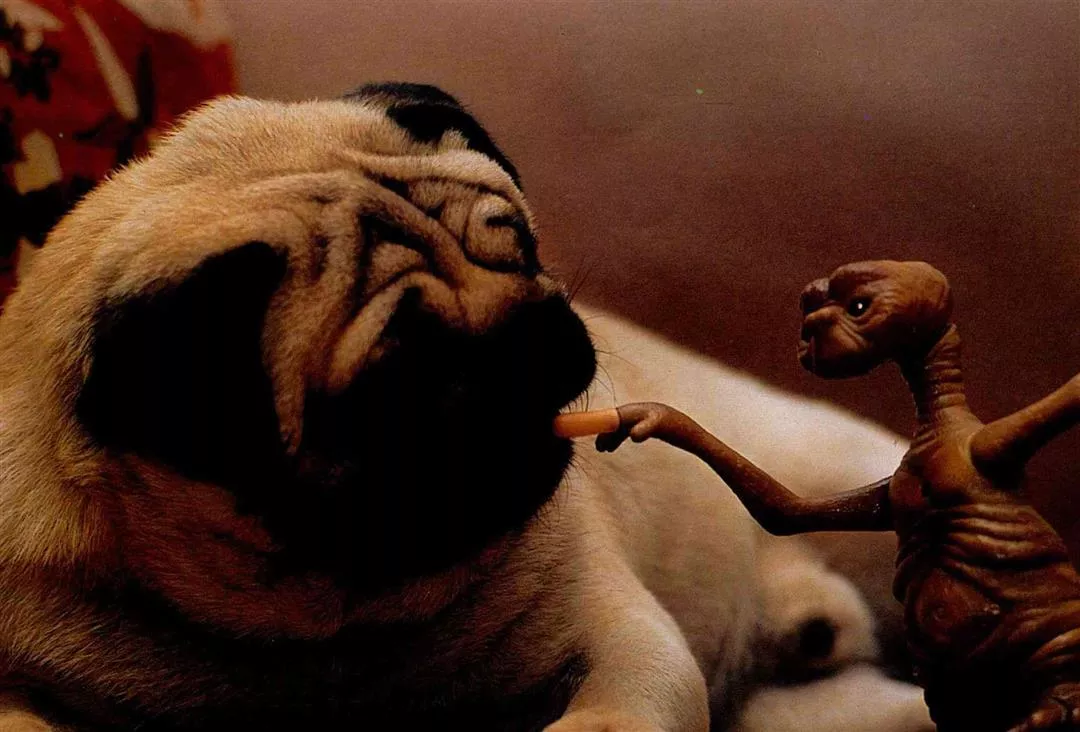
A pug, the "mournful philosopher," contemplates an unusual visitor.
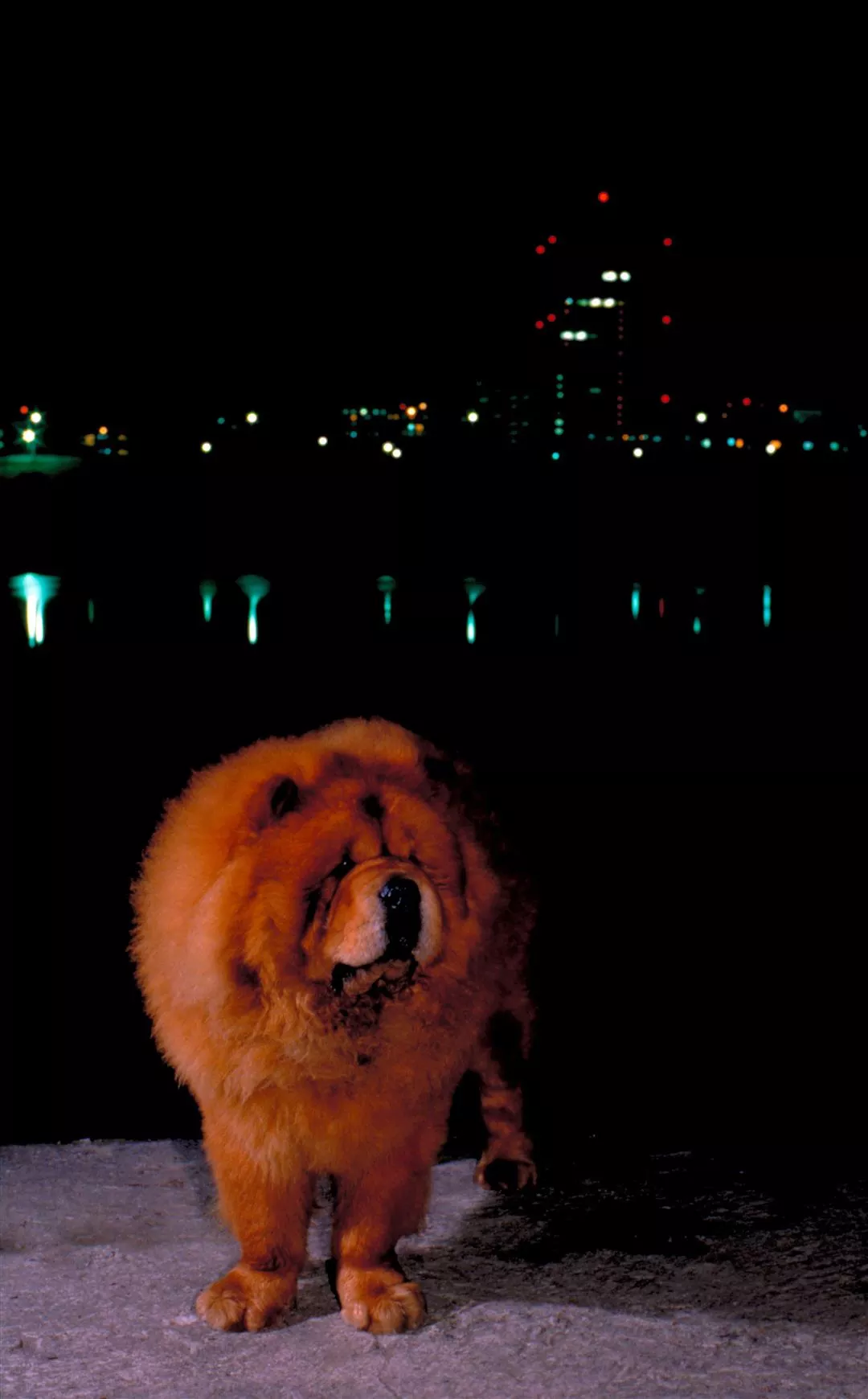
(Left) Despite being pudgy and rather stupid- looking, the chow has a certain stern dignity.
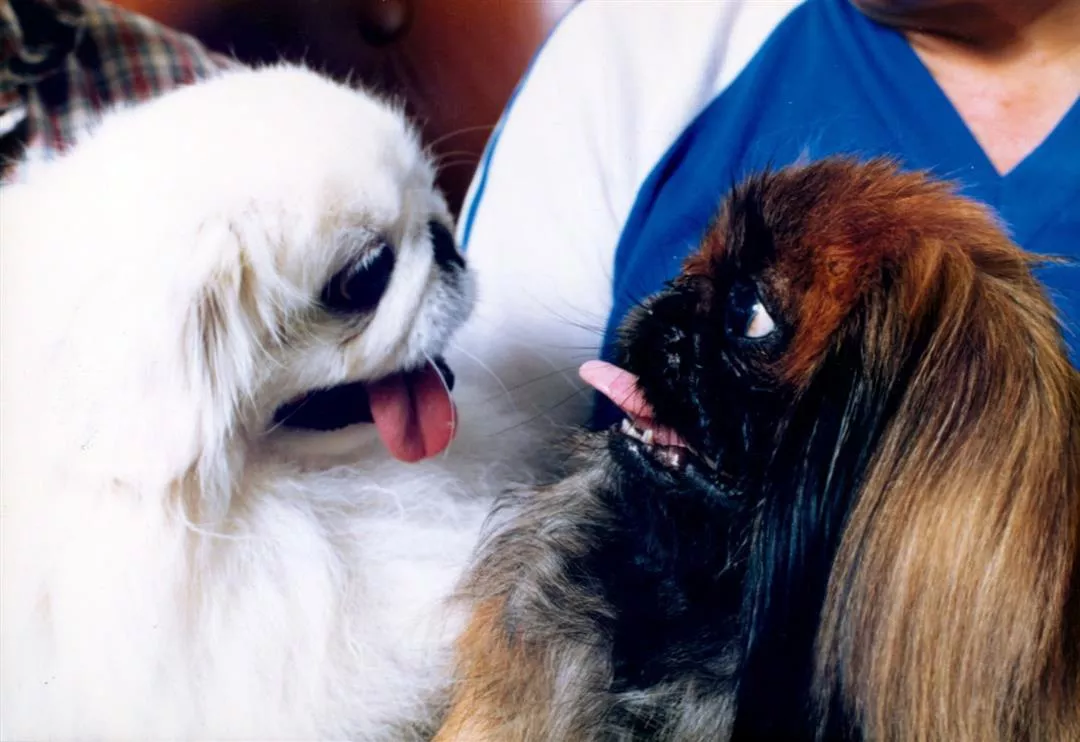
A pair of Pekinese make a cute couple.
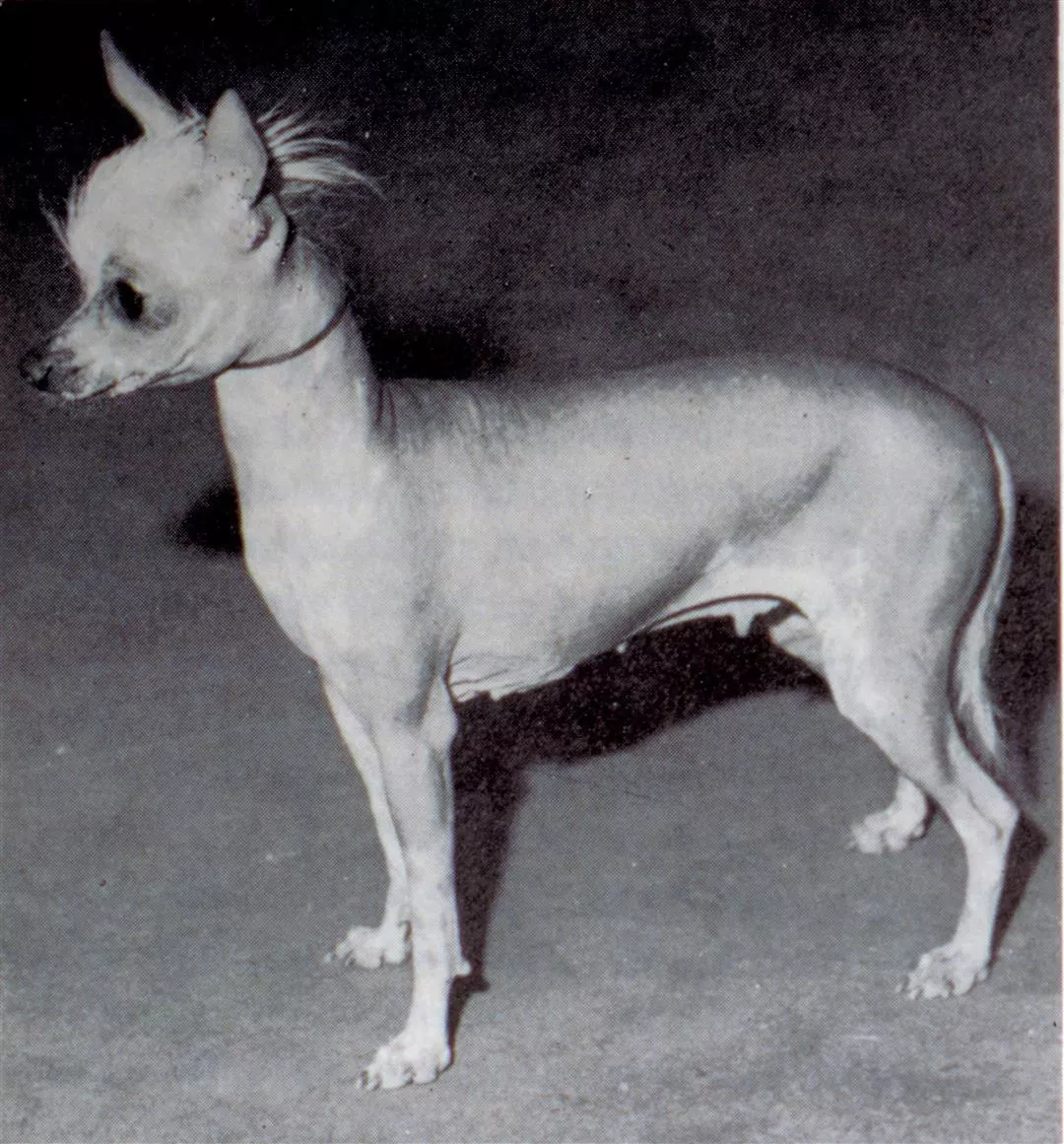
(Right) All bare except for a crest on it head, the kuan-mao is a rather sorry-looking animal. (Photo from the International Encyclopedia of Dogs)


@List.jpg?w=522&h=410&mode=crop&format=webp&quality=80)