Japanese legacies
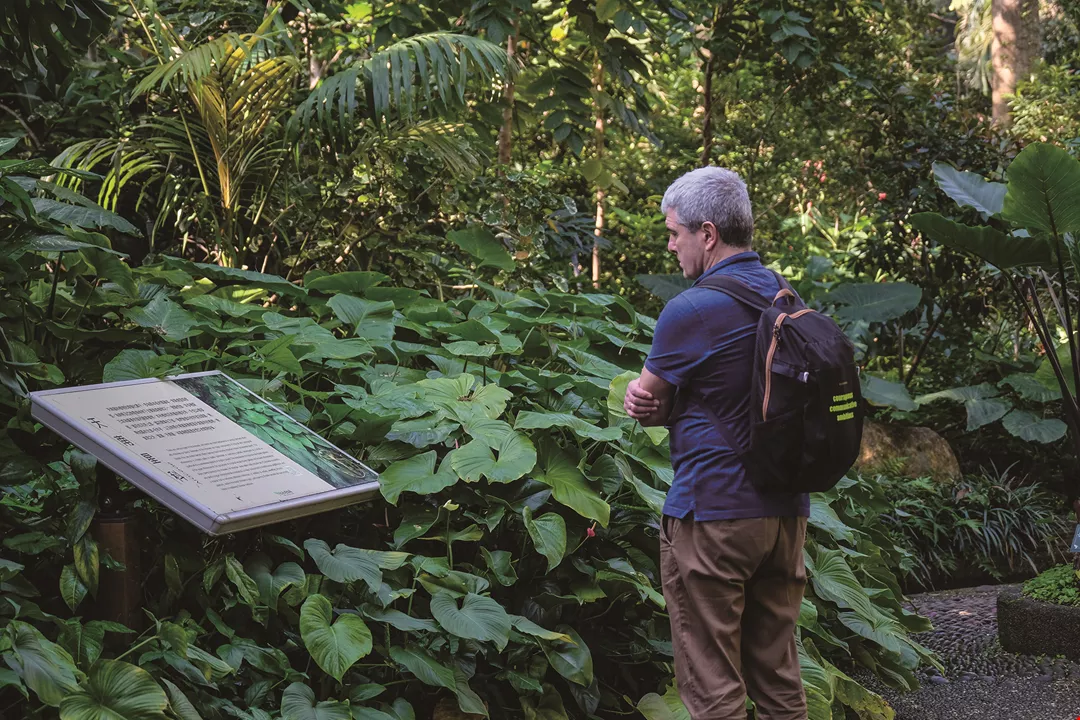
Fan Su-wei, an associate researcher in the Forest Ecology Division of the Taiwan Forestry Research Institute, tells us that over 50% of the foreign visitors here come in pairs; when you add solo visitors, the figure rises to nearly 90%. These statistics show that most of them are independent travelers.
Established during the Japanese colonial age, the garden is home to many century-old trees. In front of the Qing-Dynasty Guest House of Imperial Envoys is a row of Alexandra palms (Archontophoenix alexandrae). It is said that when these palms were planted, during the Japanese period, they were already as tall as they are now: they grow more slowly outside the tropics.
Thanks to the Japan Broadcasting Corporation’s TV drama series Ranman (2023), which celebrates the life of Tomitaro Makino (1862‡1957), Japanese tourists have visited the Taipei Botanical Garden to look at plants named by or after the Japanese botanist, such as jelly figs (Ficus pumila var. awkeotsang), Makino bamboo (Phyllostachys makinoi), and Makino’s mallow (Hibiscus makinoi). At the Makino Botanical Garden in Japan’s Kochi Prefecture there is a grove of Makino bamboo, commemorating Makino’s deep bond with Taiwan.
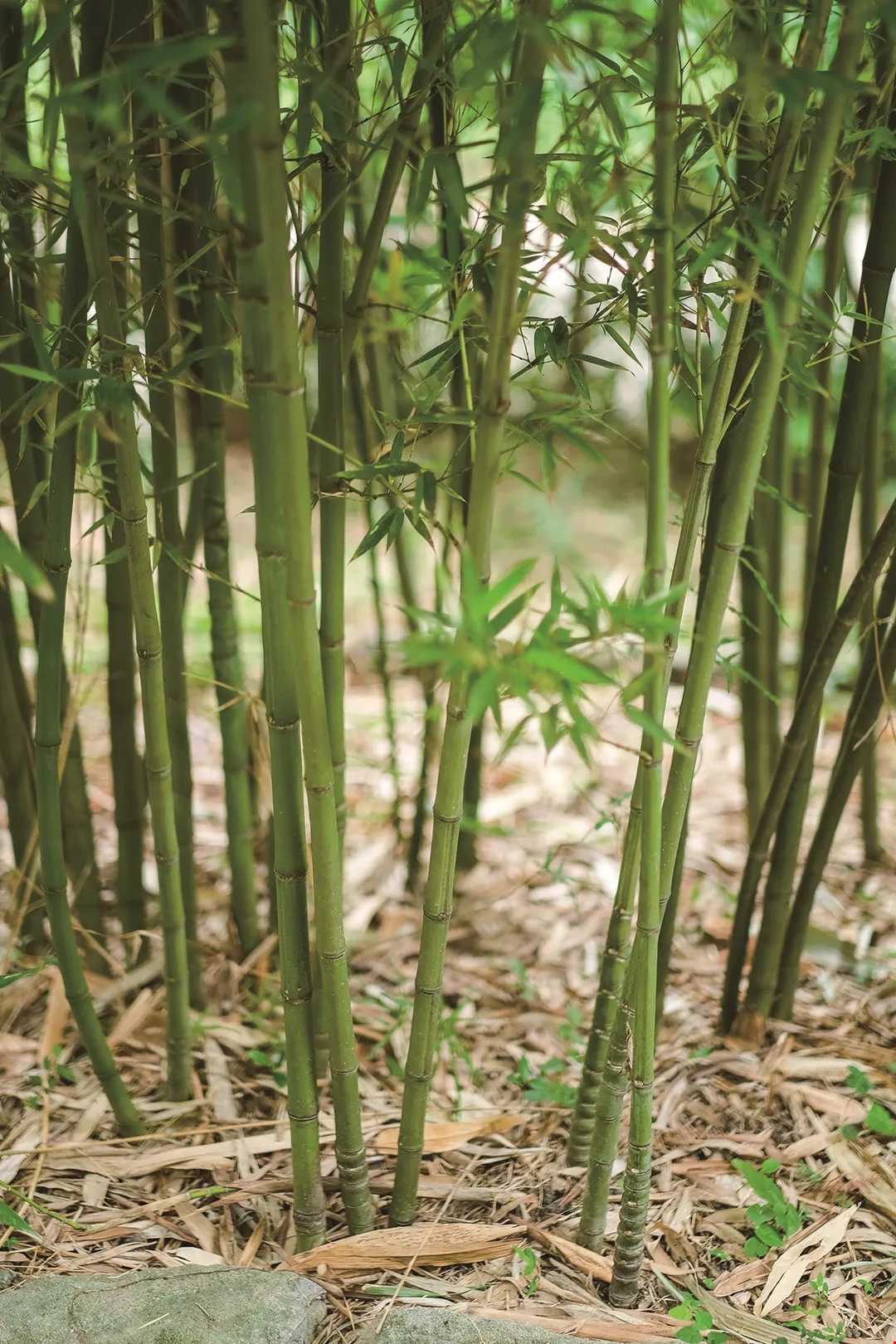
The name of Makino bamboo (Phyllostachys makinoi) commemorates the Japanese botanist Tomitaro Makino, who was fond of this bamboo species. It is said that he planted Taiwanese Makino bamboo in his garden in Japan.
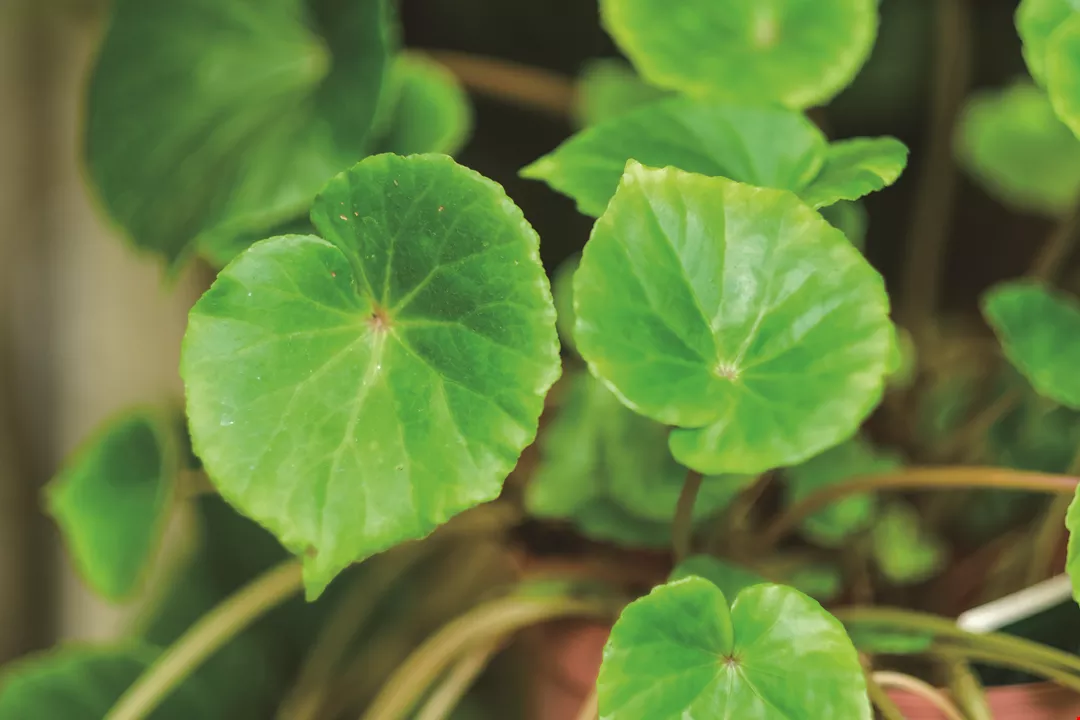
Begonia fenicis has white or pale pink flowers.
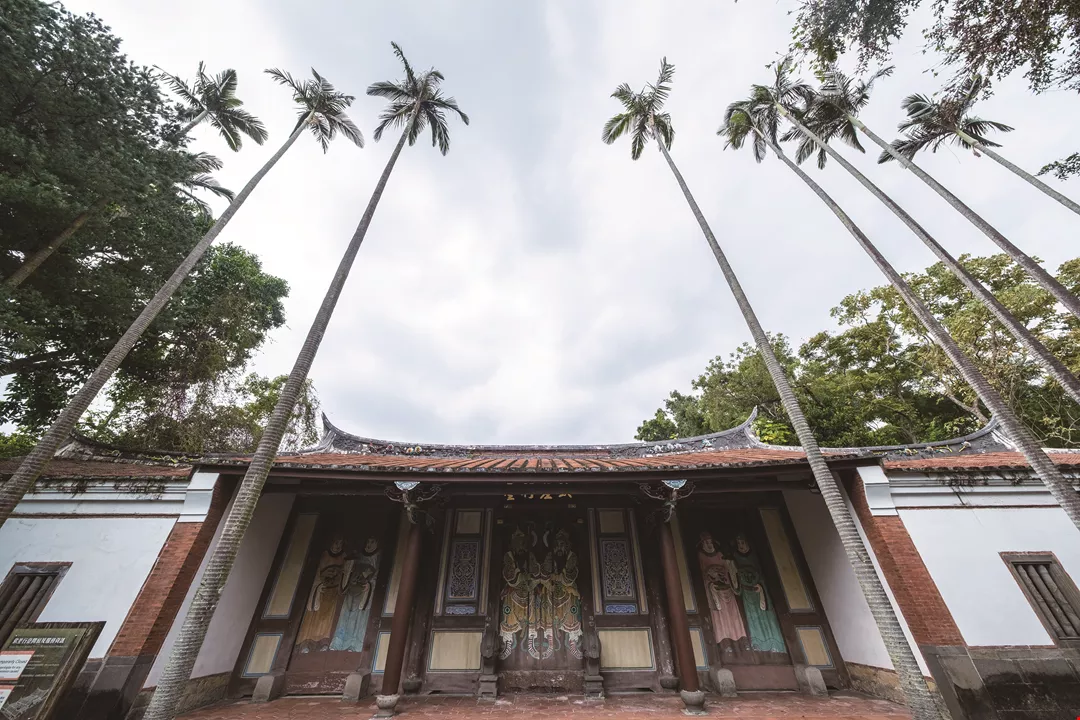
In front of the Guest House of Imperial Envoys in the Taipei Botanical Garden is a row of Alexandra palms (Archontophoenix alexandrae). The name honors Princess Alexandra of Denmark (1844–1925).





@List.jpg?w=522&h=410&mode=crop&format=webp&quality=80)
@List.jpg?w=522&h=410&mode=crop&format=webp&quality=80)


